Albania Student Protests Deepen as University Lecturers Begin Boycott and Rama Offers Rent Support | ChatZyr
By Editorial Desk | Team ChatZyr
TIRANA, ALBANIA | October 22, 2026
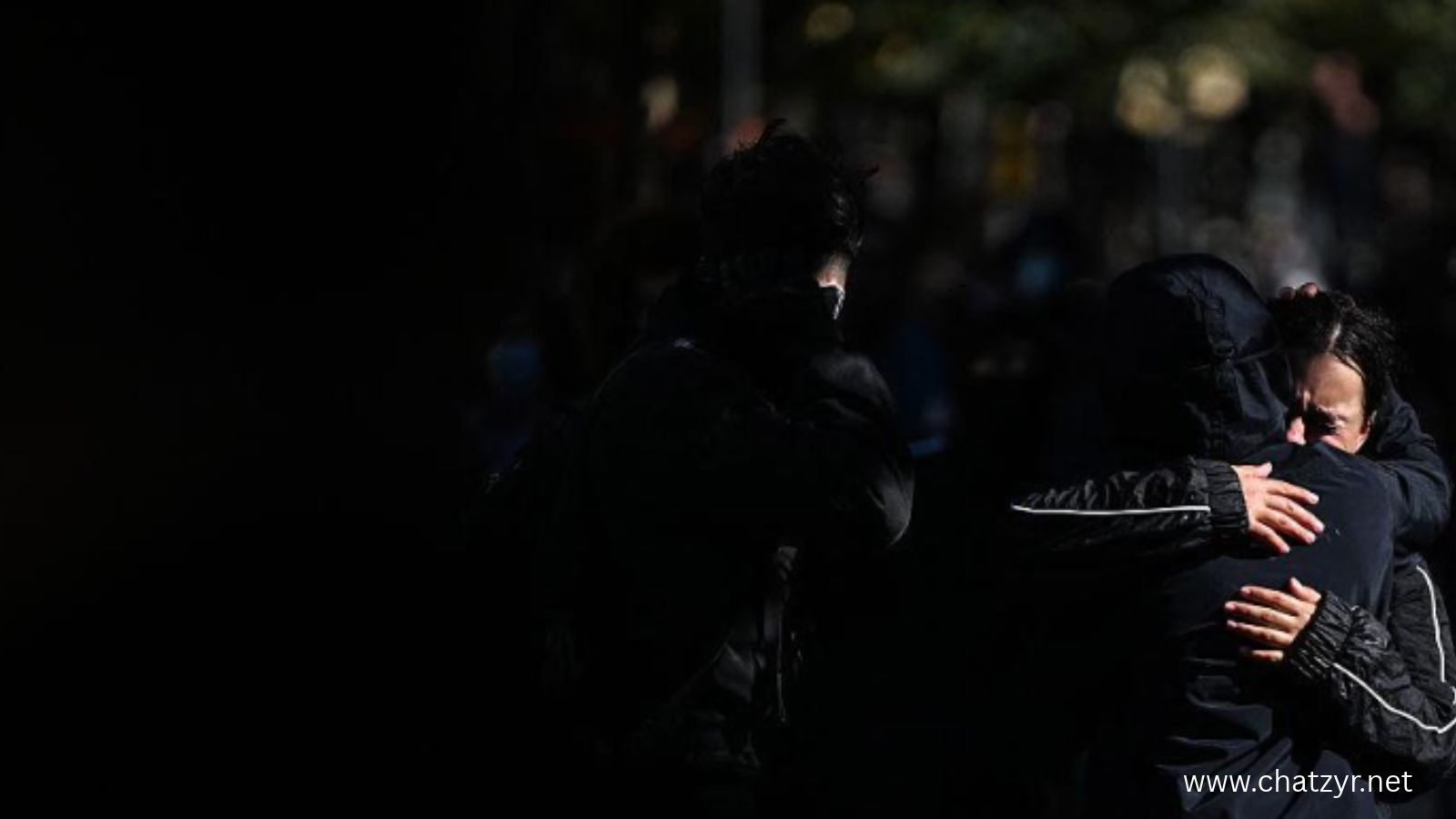
Albania’s student-led protests entered a new phase this week after university lecturers announced a nationwide teaching boycott, Prime Minister Edi Rama offered to discuss students’ concerns and the government proposed covering half the rent for eligible students. The demonstrations, which have also included violent clashes in Tirana, are unfolding alongside formalised corruption charges against former deputy prime minister Belinda Balluku.
The developments have intensified a national debate over education, living costs, public accountability and the government’s response to dissent. As of October 22, the latest developments verified for this report were published on October 21.
University Lecturers Join the Protest Movement
On October 21, the Albanian University Lecturers’ Union announced a teaching boycott across public universities, saying it supported students’ demands and calling for an independent investigation into the use of force during the demonstrations.
The union said the boycott would continue until further notice. It also called for students to be treated lawfully if taken into police custody and urged university authorities not to discipline participating lecturers or students.
The announcement is significant because the dispute is no longer limited to students gathering outside government buildings. Academic staff have now publicly connected their position to concerns about education quality, students’ rights and accountability.
The boycott’s duration and its impact on teaching will depend on participation and any subsequent decisions by the union and universities.
What Is Behind the Demonstrations?
The protests in Tirana began on October 13, with students demanding improvements in education conditions. High school pupils, university students, citizens and academic representatives have subsequently joined demonstrations.
Reported concerns include the cost of higher education, insufficient financial support, employment prospects and corruption. Some demonstrators have also demanded Prime Minister Rama’s resignation.
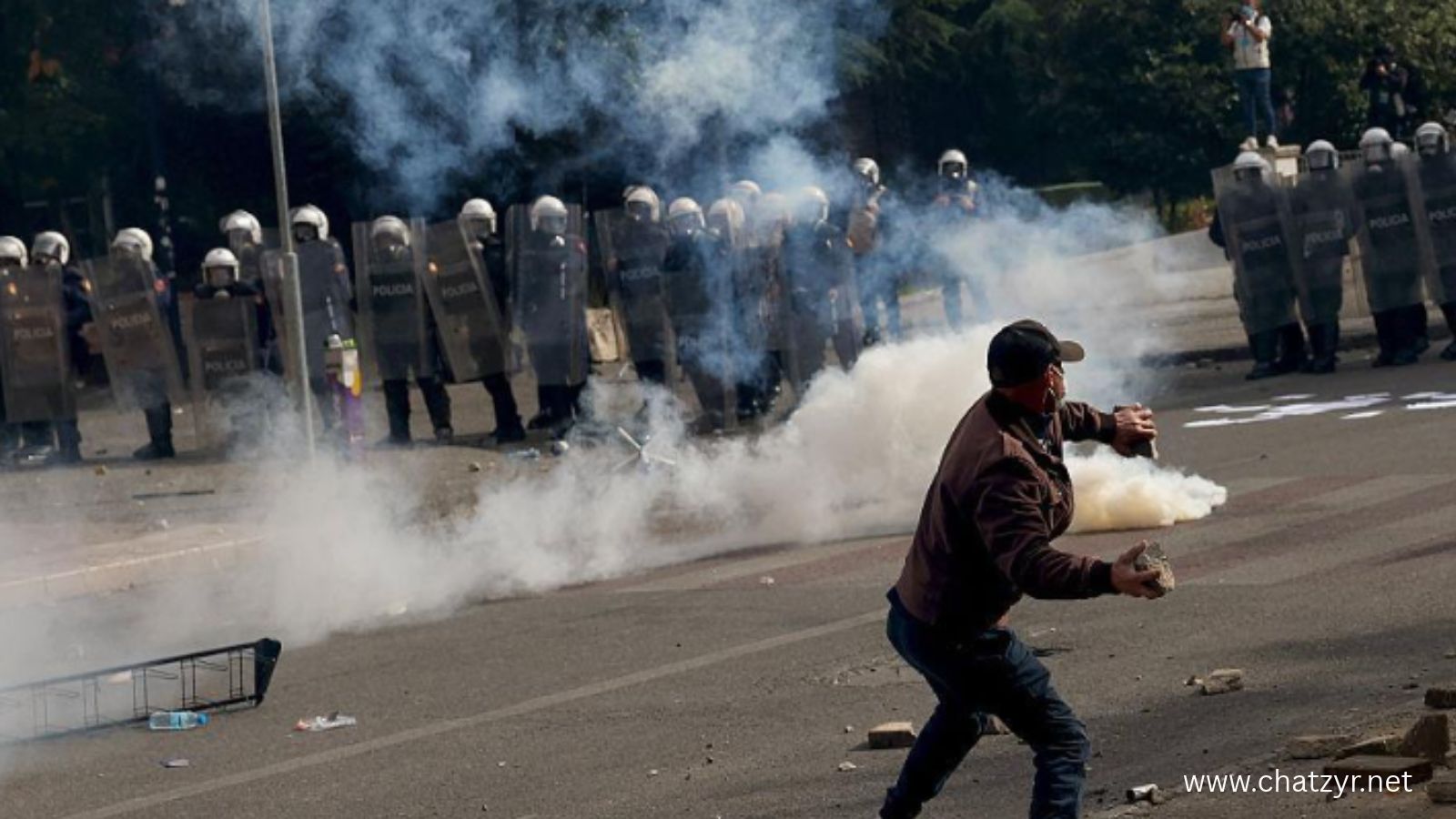
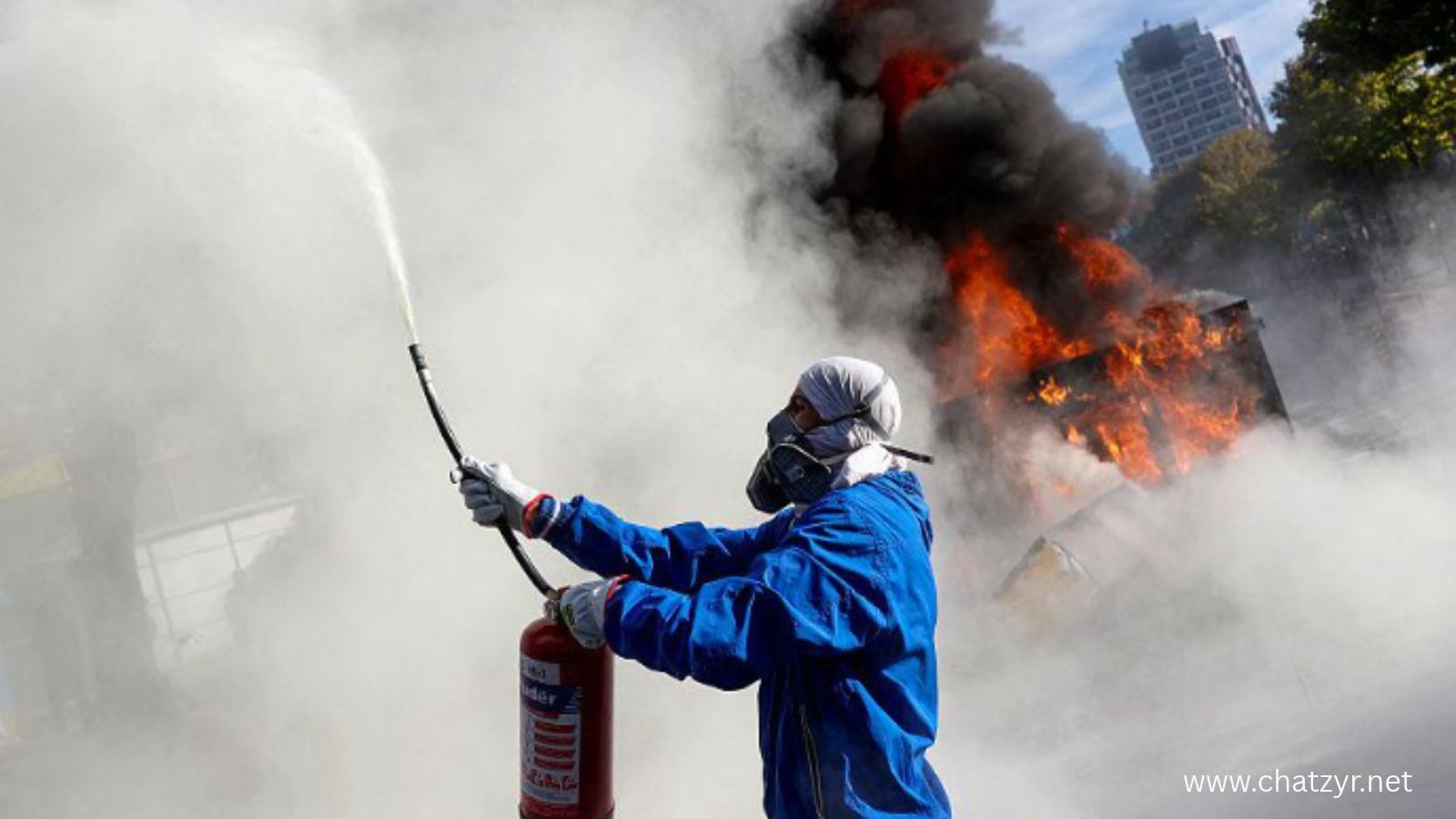
The protests have not remained peaceful throughout. On October 21, the demonstration moved between the prime minister’s office and the Education Ministry. Reports said some participants threw stones and petrol bombs at buildings and security forces.
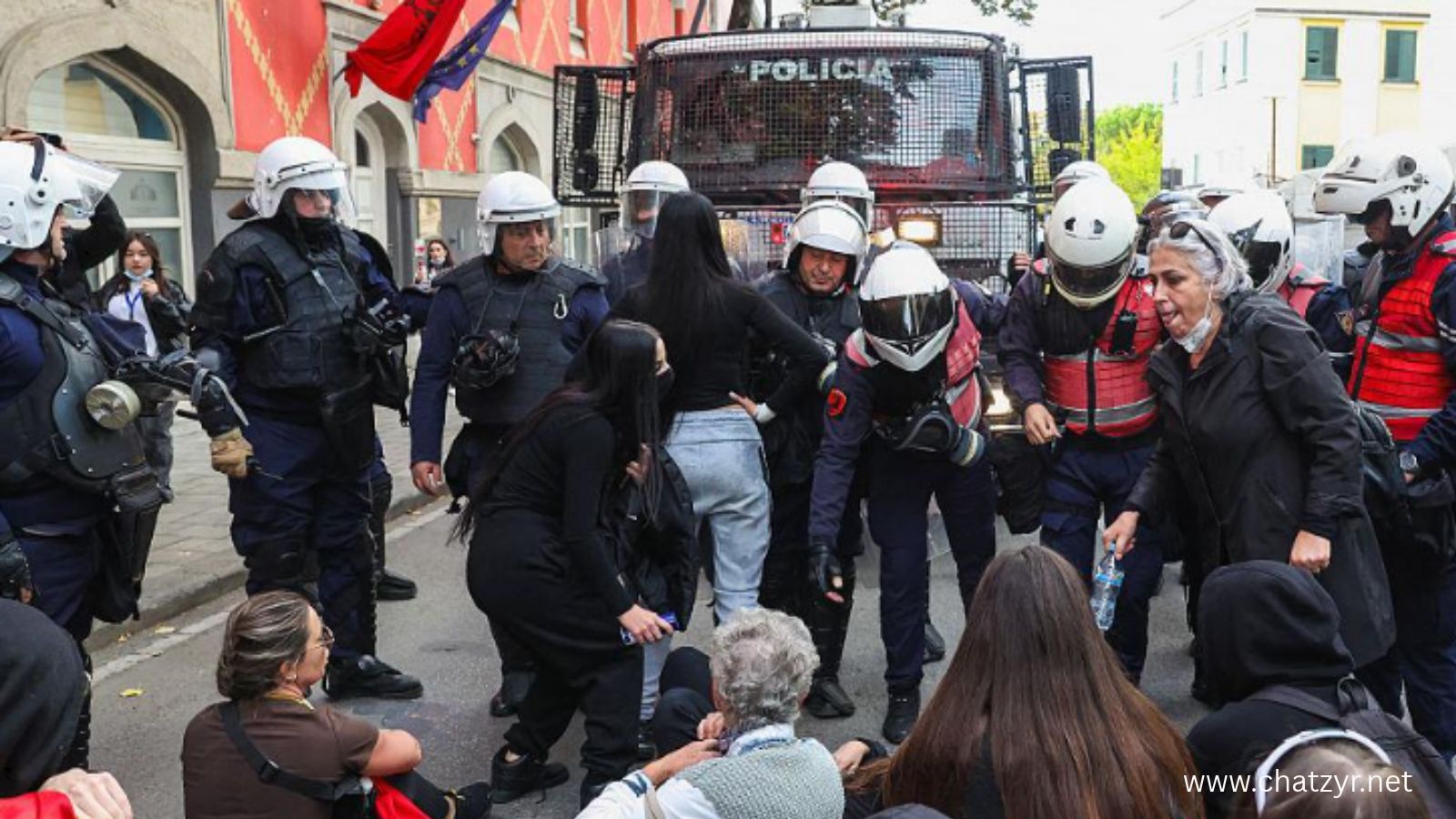
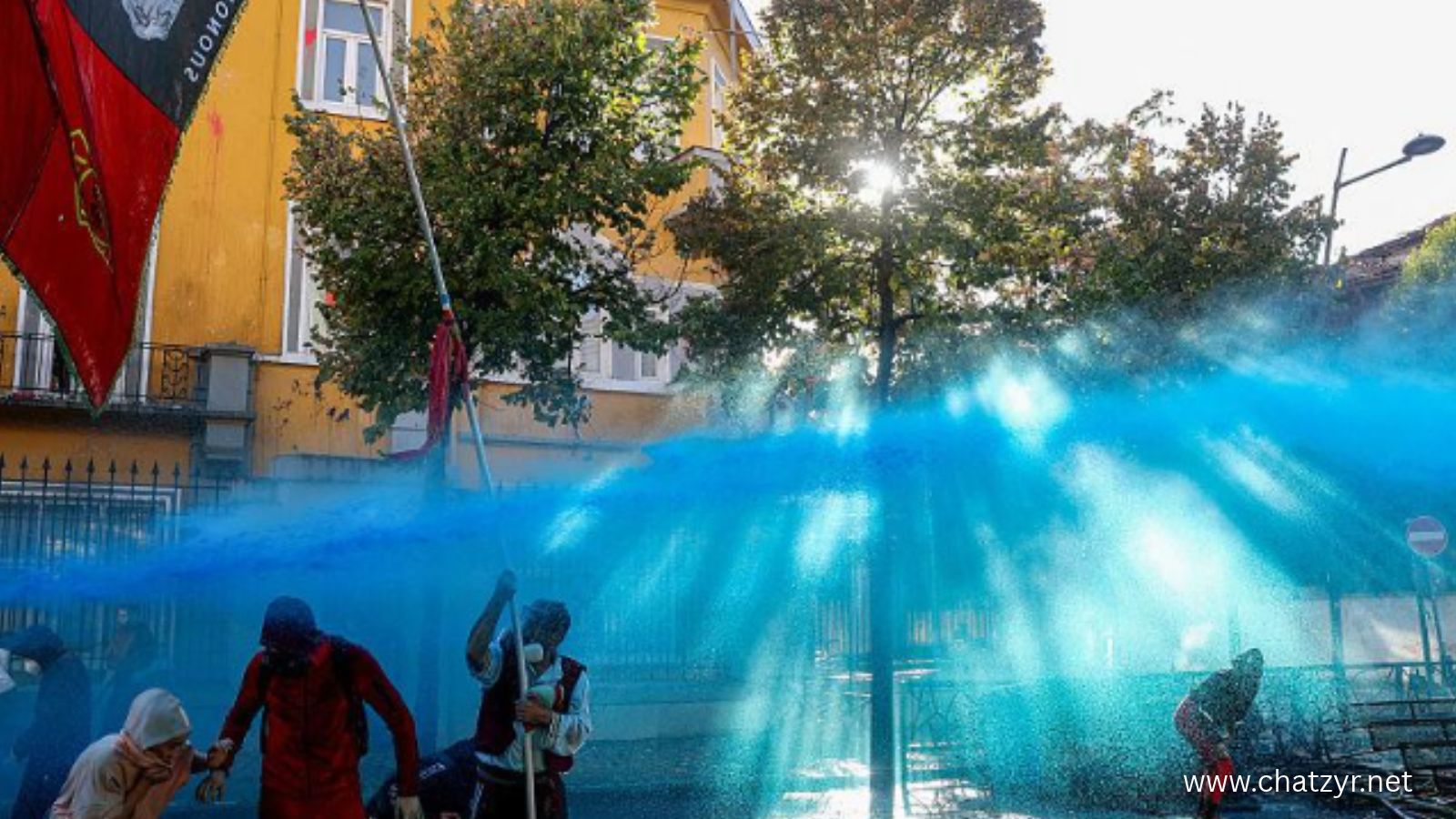
Police have used crowd-control measures during the unrest, including tear gas and water cannons. The university lecturers’ union has called for an independent investigation into the use of force, while the government has condemned attacks on police and damage to property.
These issues require careful distinction: peaceful protest is a democratic right, while violence and destruction raise separate legal questions. Allegations of excessive force also require proper investigation rather than assumptions about responsibility.
Rama Offers Dialogue and Proposes Student Rent Assistance
Prime Minister Edi Rama reiterated his willingness to meet students and discuss their concerns. In a public exchange reported on October 21, he urged young people to pursue dialogue rather than violence.
Rama has rejected calls to resign, arguing that governments should change through democratic elections. He has also defended his government’s record and said it would not abandon its governing mandate because of violent demonstrations.
On housing, Rama announced a proposal under which the government would cover 50 percent of rent for eligible students. The measure forms part of a draft affordable social housing law approved by the Council of Ministers and submitted to parliament for consideration.
The broader proposals include interest-free loans for qualifying young couples seeking to purchase an apartment and loans at a 3 percent interest rate for other eligible groups, including young professionals and public-service employees.
The rent assistance should not yet be described as a payment already being received by students. The proposal’s practical effect will depend on the legislative process, eligibility requirements, funding and implementation arrangements.
Whether the proposed measures address the concerns driving the demonstrations remains an open question. Students’ responses and the government’s willingness to engage with their representatives will be important in determining what happens next.
Corruption Case Adds to Political Pressure
The unrest is also taking place against the backdrop of a major corruption investigation involving Belinda Balluku, Albania’s former deputy prime minister and infrastructure minister.
On October 20, prosecutors formalised charges against Balluku relating to alleged interference in the awarding of two public construction contracts in 2021, reportedly worth more than €200 million.
According to Reuters, the formalised charges include alleged violations of equality in public tenders, passive corruption involving high-ranking officials and money laundering. Albania’s Special Prosecution Office has also reported further procedural steps involving other people connected to the case.
Balluku previously denied wrongdoing. She was dismissed from government by Rama in February, while parliament’s failure to lift her immunity had prevented her arrest at that stage.
Rama defended parliament’s decision during his exchange with a student on October 21, arguing that it did not prevent prosecutors from continuing their investigation. His position has itself become part of the political dispute.
The legal distinction is essential: formal charges are not a conviction. Balluku’s responsibility must be determined through the judicial process, based on evidence and applicable law.
The case has become a focal point for demonstrators who see corruption allegations involving senior officials as evidence of a wider accountability problem. The investigation’s progress and the treatment of public officials facing allegations are therefore likely to remain central to public debate.
What Happens Next in Albania?
Three developments deserve close attention over the coming days.
First, whether the lecturers’ boycott continues and how public universities respond. Second, whether the government’s proposed rent assistance advances through parliament and how eligibility will be determined. Third, whether government representatives and student groups establish meaningful dialogue that addresses education concerns without compromising the right to peaceful protest.
The handling of alleged violence also matters. Authorities should investigate alleged offences and any excessive use of force through transparent, lawful procedures. Responsibility should be assessed individually and on the basis of evidence.
For Albania, the current confrontation is about more than demonstrations in the capital. It has brought together questions about educational opportunity, housing affordability, political accountability and confidence in public institutions.
The government’s next steps, the lecturers’ position and the course of the corruption investigation will help determine whether tensions ease or the dispute continues.
Why This Matters
Albania’s public institutions and its ambition to join the European Union make accountability, democratic rights and the rule of law particularly important. The way authorities respond to peaceful demonstrators, investigate allegations and turn policy proposals into practical support will influence public confidence.
The situation remains developing. ChatZyr will continue to report significant updates as they are verified.
Disclaimer: This article reflects published reporting available as of October 22, 2026. Allegations are attributed and should not be treated as established guilt. Government proposals may change during the legislative process, and further developments may alter the situation.
Credits: ChatZyr News Desk
Written By Editorial Desk | Team ChatZyr
Published on Chatzyr.net
ChatZyr — News That Matters.