Seven Climate Indicators Hit Record Extremes as Global Warming Accelerates | ChatZyr
By Editorial Desk | Team ChatZyr
Seven Climate Indicators Hit Record Extremes, Scientists Warn
Seven of 16 indicators tracking Earth's climate reached record extremes in 2026, according to a scientific assessment published on October 14 in the journal BioScience. The researchers also reported rising greenhouse gas concentrations, increasing ocean heat and accelerating global warming.
The seventh annual State of the Climate Report: Challenges and Opportunities examined key measures of Earth's condition, including atmospheric greenhouse gases, sea levels, ocean heat, glacier thickness and ice-sheet mass.
Carbon Dioxide Levels Continue to Rise
Atmospheric carbon dioxide exceeded 428 parts per million in May 2026, approximately 50% above pre-industrial levels, according to the assessment.
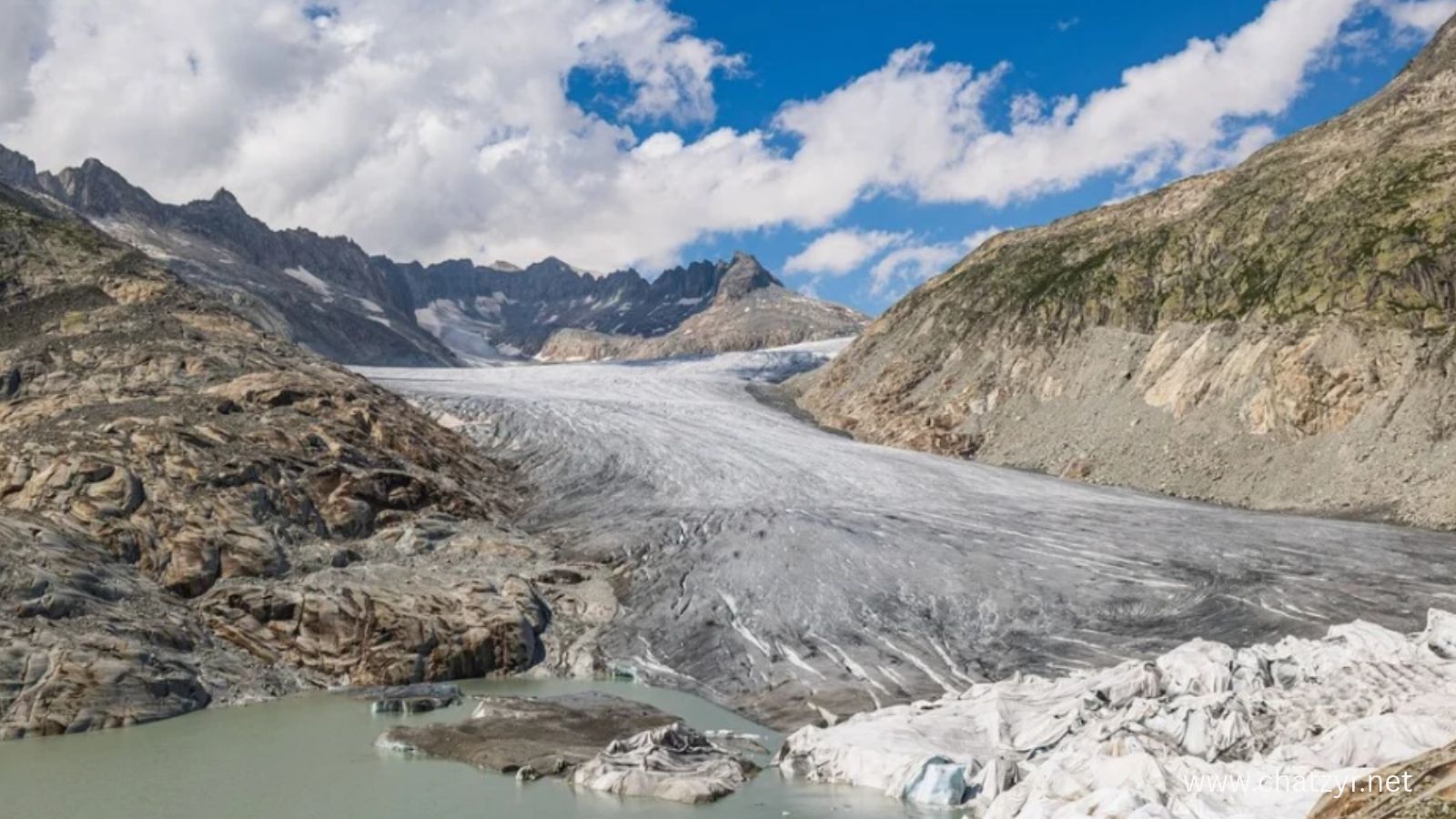
The report also found record-high global sea levels and ocean heat content, alongside record-low worldwide glacier thickness and Greenland ice-sheet mass. Concentrations of carbon dioxide, methane and nitrous oxide also reached record levels based on year-to-date averages.
Researchers attributed the continuing changes primarily to human activities, particularly the burning of fossil fuels.
The report estimated that the rate of global warming increased from approximately 0.19°C per decade during 1970–2010 to around 0.36°C per decade from 2010 onward.
Renewable Energy Offers Hope
Despite the worsening climate indicators, the assessment identified progress in renewable energy and battery storage.
Solar and wind energy consumption increased substantially in 2025. Renewable energy sources also surpassed coal in global electricity generation for the first time in more than a century of coal-dominated generation.
However, researchers warned that renewable energy growth has not yet been sufficient to offset rising global energy demand and continued fossil fuel consumption. Faster greenhouse gas emissions reductions remain essential to stabilizing the climate system.
Why It Matters for Pakistan
The findings are relevant to Pakistan, where climate-related hazards can threaten communities, agriculture, water resources and infrastructure.
Stronger disaster preparedness, climate adaptation, ecosystem protection and investment in cleaner energy can help communities manage these risks. The report emphasizes that action is needed both to reduce future warming and to prepare for impacts already underway.
The assessment does not suggest that all climate indicators have reached records. Instead, it highlights seven record extremes among 16 tracked indicators, while warning that several other measures show concerning trends.
Source: The 2026 State of the Climate Report: Challenges and Opportunities, published in BioScience on October 14, 2026.
Disclaimer: This article summarizes findings from a scientific assessment for informational purposes. Regional climate impacts vary, and projections involve uncertainties.
Credits: BioScience climate assessment and Eos scientific reporting.
Written By Editorial Desk | Team ChatZyr