
Oil Prices Fall as Strait of Hormuz Shipping Risks Keep Global Energy Markets on Edge | ChatZyr
By Editorial Desk | Team ChatZyr
GLOBAL, October 15, 2026: Global oil prices declined in early trading on Thursday as investors weighed continuing security concerns around the Strait of Hormuz against expectations about petroleum supplies and shipping costs.
Brent crude futures fell by $1.39, or 1.31%, to $104.67 per barrel, while US West Texas Intermediate crude dropped by $1.02, or 1.07%, to $94.07 per barrel, according to figures reported during early trading. These are time-specific prices and may differ from the final settlement figures.
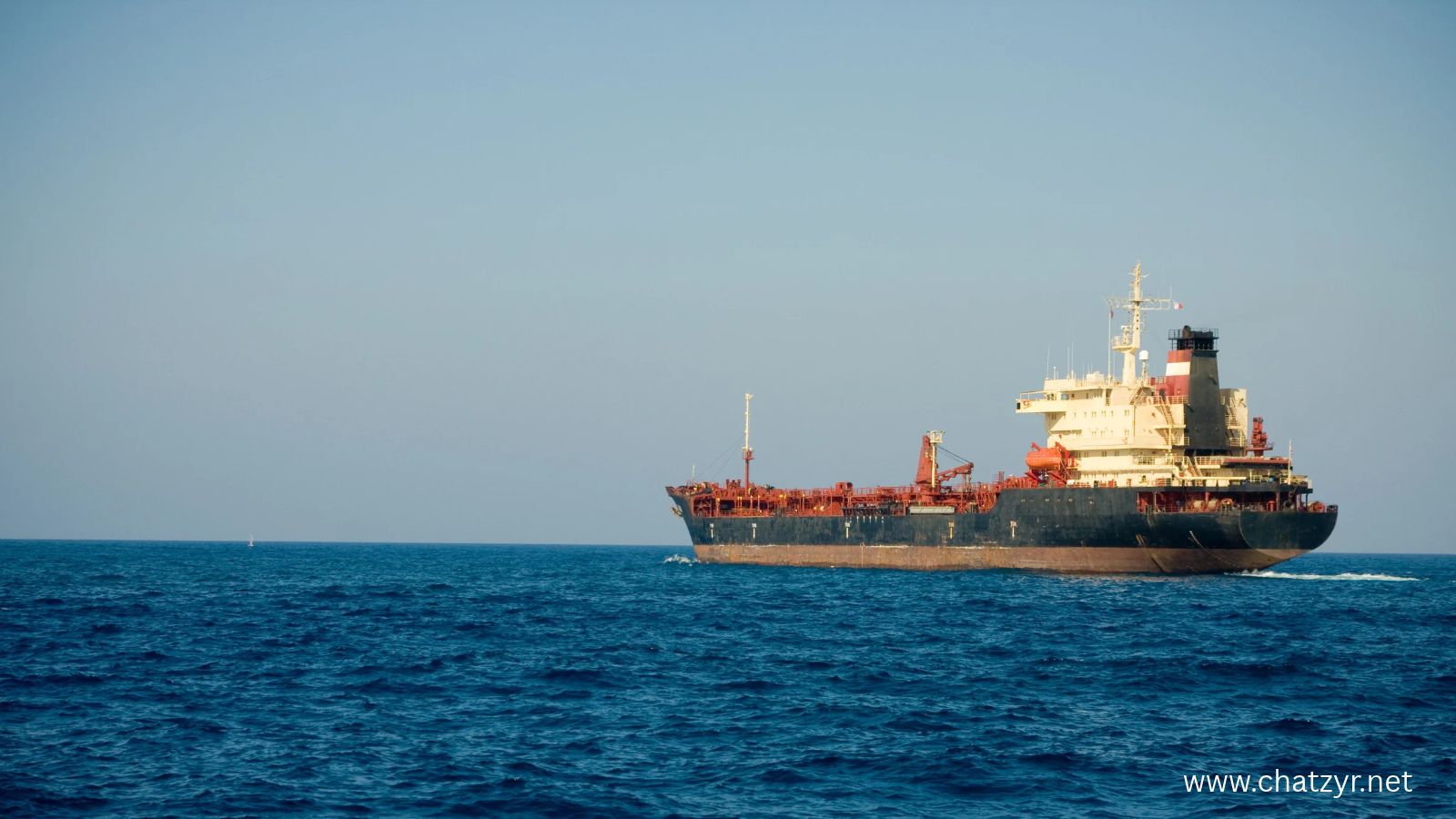
The market movement came amid renewed concern about the safety of commercial vessels travelling through one of the world's most important energy corridors.
Why the Strait of Hormuz matters
The Strait of Hormuz connects the Persian Gulf with the Gulf of Oman and the wider Arabian Sea. It is a critical route for international oil and gas shipments, making its security important to energy-importing countries and global markets.
Any disruption can delay cargoes, increase insurance premiums and freight costs, and force shipping companies to reconsider routes. Even the threat of disruption can influence oil prices before a physical shortage occurs.
Reports of maritime incidents and rising regional tensions have added uncertainty for ship operators and energy traders. However, the precise effects on shipping capacity and oil deliveries depend on verified incident reports, vessel movements and official maritime advisories.
Why oil prices can decline despite rising risks
Oil prices respond to several factors, not geopolitical developments alone. Traders assess production, inventories, global demand, economic growth, shipping costs and government policies.
A decline in prices during a period of heightened security concerns does not necessarily mean the underlying risks have disappeared. Markets can change quickly when new information emerges about supply, diplomatic efforts or shipping access.
What this means for Pakistan
Pakistan imports substantial quantities of petroleum, so movements in international energy prices can influence import costs, inflation and transport expenses. Higher crude prices may increase pressure on businesses and consumers, while lower prices can provide relief if the change is sustained.
However, international crude prices do not translate directly into an identical change at domestic fuel stations. Exchange rates, taxes, refining and freight costs, and government pricing decisions also affect retail fuel prices.
What to watch next
Energy traders and policymakers will monitor maritime security, official shipping advisories, production expectations and developments that could affect access to the Strait of Hormuz.
For now, the early decline in oil prices reflects a market balancing supply expectations against geopolitical uncertainty. It is not, by itself, evidence that the shipping risks have been resolved.
Disclaimer: Oil prices cited here reflect reported early trading on October 15, 2026, and may change. This article is for general information and does not constitute investment advice.
Written By Editorial Desk | Team ChatZyr
Published on Chatzyr.net
ChatZyr — News That Matters.