
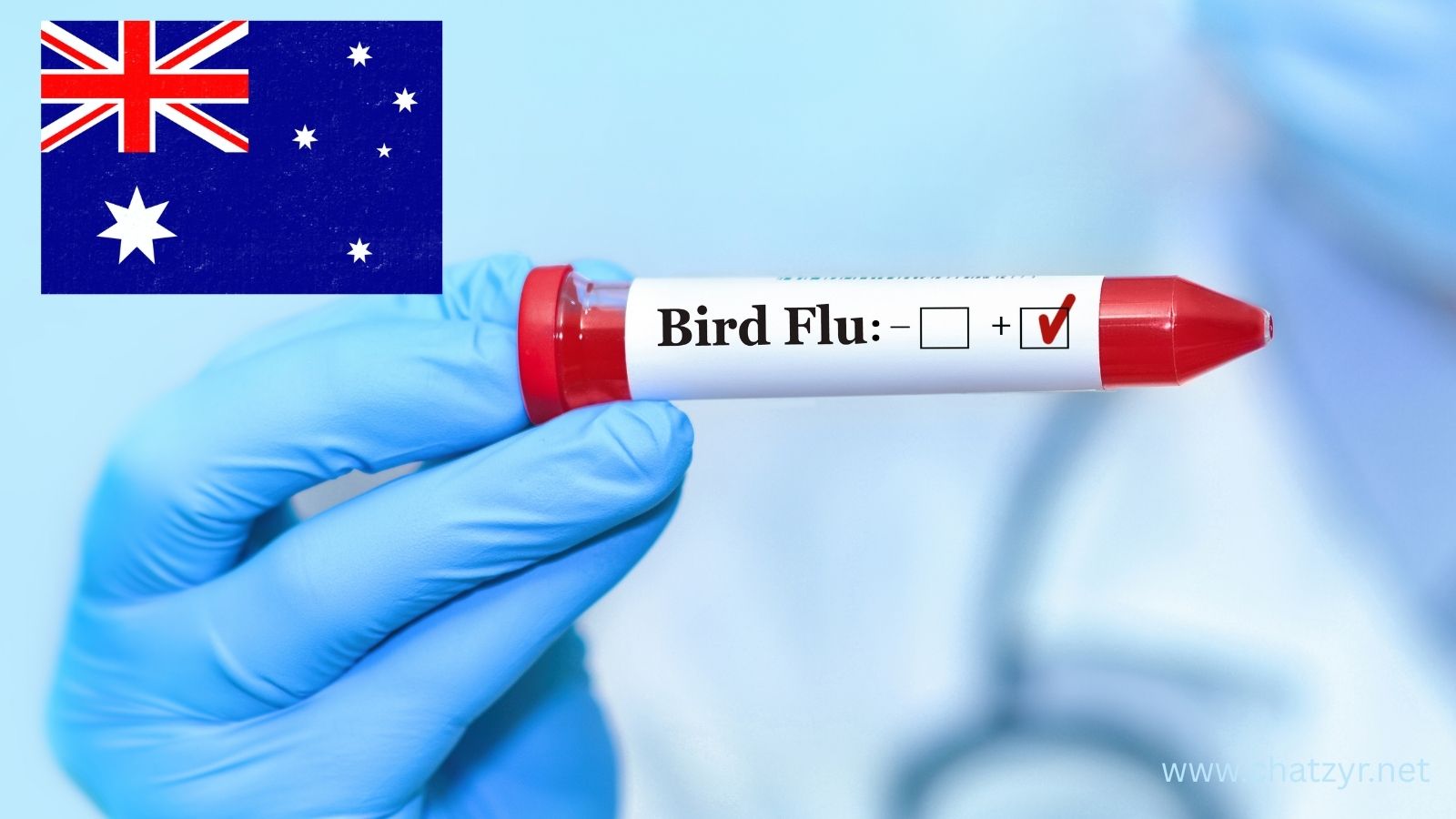
Australia's First H5 Bird Flu Case in a Resident Seabird Puts Wildlife on Alert
By Editorial Desk | Team ChatZyr
Australia has confirmed the first-ever detection of the highly contagious H5 bird flu in a resident seabird, marking a significant development in the country's battle to keep the virus from spreading into local wildlife.
Laboratory testing identified the H5 strain in a greater crested tern found in Robe, South Australia. Since June, Australia has recorded 12 H5 bird flu cases, but all previous infections involved migratory seabirds. This is the first confirmed case involving a resident seabird species.
Agriculture Minister Julie Collins described the finding as concerning but not unexpected, noting that there is no evidence of widespread bird deaths, poultry infections or transmission to livestock. Officials also continue to assess the risk to human health as low.
Scientists are now investigating how the virus reached the bird. Early assessments suggest it may have been transmitted through contact with infected migratory seabirds that share overlapping coastal habitats.
South Australian authorities have introduced enhanced surveillance in the Robe area to detect any additional infections and help prevent the virus from spreading further.
The discovery has heightened concerns among conservation experts because Australia is home to some of the world's most unique wildlife. Nearly half of the country's wild bird species and 83 percent of its mammals are found nowhere else, making any widespread outbreak a potential threat to biodiversity.
Earlier this year, the same H5 strain was linked to the deaths of more than 13,000 elephant seal pups on Australia's remote Heard and McDonald Islands, highlighting the virus's growing impact on wildlife across the region.
Why it matters
Australia remained free of H5 infections in its resident bird populations for years while the virus spread across other continents. The first confirmed case in a resident seabird suggests the virus may now be crossing into local wildlife, increasing the importance of surveillance to protect biodiversity, the poultry industry and national biosecurity.
Published on ChatZyr.net
Written By Editorial Desk | Team ChatZyr
Disclaimer: This report is based on information obtained from credible and publicly available sources at the time of publication. Scientific findings and official guidance may evolve as surveillance and investigations continue.