pakistan
Food Prices in Pakistan: Traders Question Inflation Numbers Amid Mixed Market Trends
#PakistanInflation#FoodPricesPakistan#KarachiTraders
9mo ago • Jan 2, 2026, 05:53 PM • Updated 2mo ago
3 min read
Vegetable Prices Fall in Pakistan as Tomato Glut Brings Relief, While Flour, Milk, and Meat Prices Increase.
Karachi, Pakistan | Chatzyr.net
KARACHI: Despite official claims of easing inflation, traders and consumers remain divided as falling vegetable prices offer temporary relief, while the cost of essential food items such as flour, milk and meat continues to rise across Pakistan.
Tomato Price Crash Benefits Consumers, Hurts Farmers
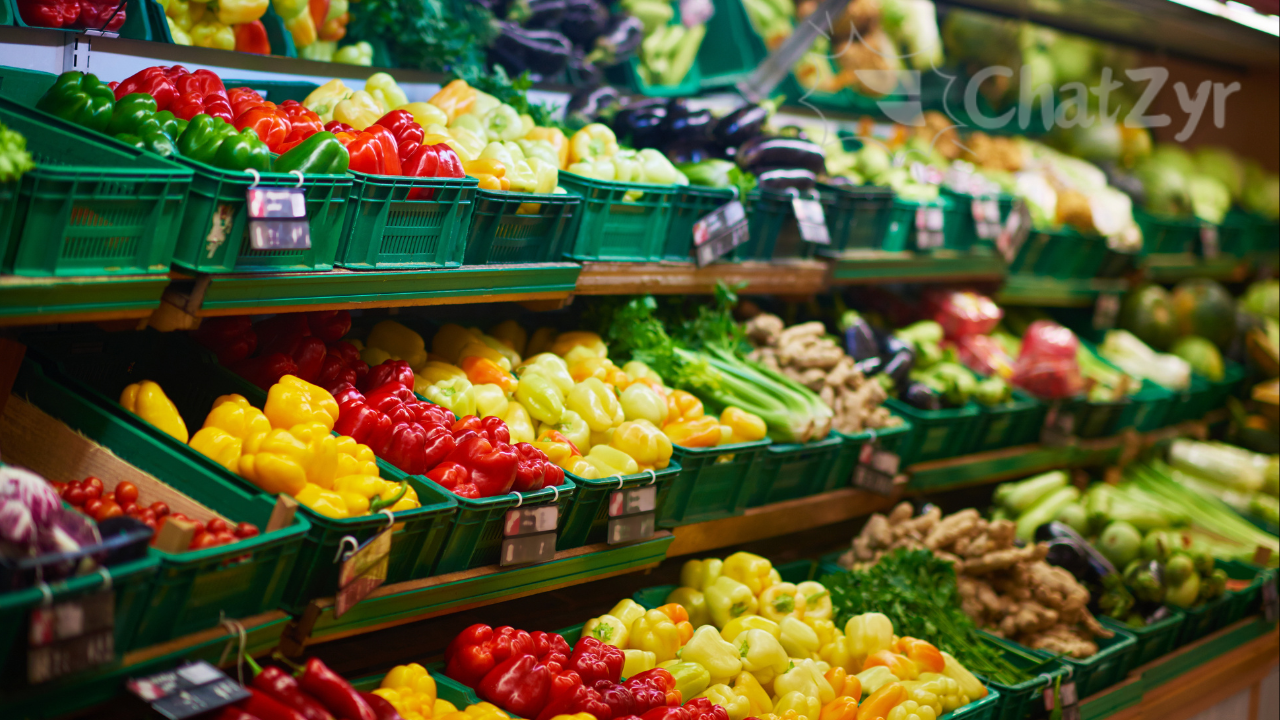
Consumers have seen significant relief in vegetable prices, led by a sharp drop in tomato rates. In many cities, tomatoes are now selling for as low as Rs30 per kilogram, largely due to heavy arrivals from producing areas.
In Karachi, pushcart vendors are offering 2.5kg to 3kg of tomatoes for Rs100, reflecting oversupply in the market. However, this price slump has severely impacted local farmers, who are struggling to recover production costs.
According to the Sensitive Price Index (SPI) for the last week of December 2025, tomato prices ranged between Rs30 and Rs130 per kg nationwide.
Onion and Potato Prices Also Decline
Improved supply has also pushed onion prices down, with national averages falling to Rs60–140 per kg, compared to Rs110–180 earlier this year. Similarly, new potato prices have dropped to Rs30–100 per kg, down from Rs80–150 a year ago.
This marks a sharp contrast to October 2025, when tomatoes sold for Rs600–700 per kg and onions peaked at Rs220 per kg in several cities.
Pulses Stable, But Dairy and Wheat Products Rise
Prices of pulses remained mostly stable. The average price of gram pulse fell to Rs220–350 per kg, compared to Rs330–450 last year. Prices of moong, masoor and mash pulses showed minor declines or stability.
However, fresh milk prices increased to Rs170–260 per litre, up from Rs150–240 a year earlier.
The price of a 20kg wheat flour bag surged to Rs1,810–2,650, compared to Rs1,580–2,200 last year. Wheat prices rose sharply following an increase in the minimum support price (MSP), pushing the cost of a 10kg wheat bag to Rs1,052, up from Rs806.
Cooking Oil, Ghee and Meat Prices Continue to Climb
The national average prices of ghee and cooking oil also increased. A 1kg ghee pouch now costs Rs560–590, while a five-litre cooking oil pack sells for Rs2,850–3,110.
Meanwhile, meat prices remain under pressure. Beef with bones has climbed to Rs900–1,450 per kg, while mutton prices have reached Rs1,700–2,550 per kg, compared to significantly lower rates last year.
Food Inflation Driven by Wheat, Chicken and Meat
Zaid Bin Haris of Sherman Securities said the food inflation index rose 3.2% year-on-year, mainly due to higher prices of wheat (up 20.8%), chicken (up 16.11%) and meat (up 13.56%).
He attributed rising wheat prices to new government policies aimed at supporting flood-affected farmers, while higher feed costs and weak price controls pushed chicken and meat prices above official rates.
‘Highly Disappointing Year’ for Businesses: Traders
Separately, All Karachi Tajir Itehad Chairman Atiq Mir described 2025 as a highly disappointing year, claiming business activity declined by 60%, alongside rising unemployment and falling investor confidence.
He said no major industrial units were established during the year, leading to capital flight and worsening economic uncertainty. Expressing concern for 2026, Mr Mir cited rising electricity, gas, fuel prices, and increased taxes and duties as major obstacles to business growth.