
#giantpandabirth
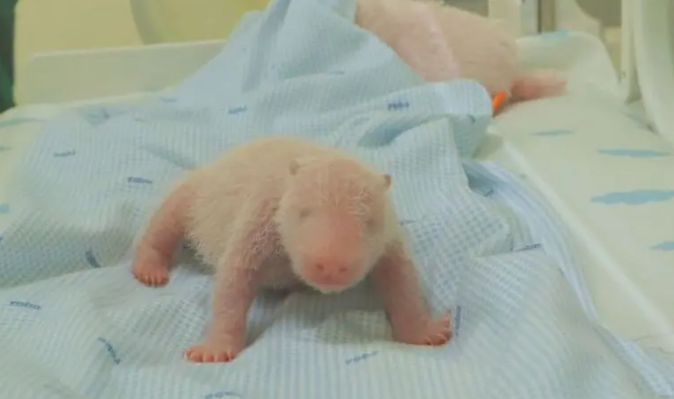
Indonesia Makes Wildlife History as First Panda Is Born Locally
#International
10mo ago • Dec 16, 2025, 03:27 PM • Updated 2mo ago
4 min read
Indonesia Celebrates Historic Birth of First Giant Panda, Strengthening Global Conservation Efforts
Indonesia has achieved a historic milestone in wildlife conservation with the birth of the first giant panda ever born in the country, marking a major breakthrough after years of scientific collaboration and conservation efforts.
The panda cub was born on November 27 at Taman Safari Indonesia in Bogor, West Java, to giant panda parents Cai Tao and Hu Chun. The pair arrived in Indonesia in 2017 as part of a 10-year joint research and conservation programme between Indonesia and China, symbolising the strong partnership between the two nations.
A Decade of Conservation Efforts Pays Off
According to Taman Safari Indonesia Corporate Communication Manager Trully Erlynda, the successful birth represents the culmination of more than a decade of international cooperation.
“We welcome the panda cub’s birth with gratitude and joy. This achievement is a proud year-end milestone for Indonesia and a powerful example of advancing global conservation collaboration,” Trully said.
Advanced Science Behind a Rare Success
In August, veterinary specialists at Taman Safari Indonesia, working alongside experts from the Leibniz Institute for Zoo and Wildlife Research (IZW) in Berlin, carried out an artificial insemination procedure on the panda pair in a carefully planned attempt to achieve Indonesia’s first panda birth.
Breeding giant pandas is widely regarded as one of the most complex challenges in wildlife conservation. Female pandas are fertile only once a year, with a reproductive window lasting just two to three days, while the egg remains viable for only a few hours—making natural breeding extremely difficult.
Taman Safari has pursued artificial insemination efforts since 2022, facing several unsuccessful attempts. In 2024, fertilisation was confirmed for the first time, although the embryo did not fully develop. The latest success was achieved through precise hormone monitoring, strict behavioural observation and adherence to international animal welfare standards, Trully explained.
International Expertise Ensures Healthy Development
Following confirmation of fertilisation, experts from China’s Giant Panda conservation institutions closely monitored Hu Chun throughout her pregnancy and delivery. On November 30, nursery specialists from the China Conservation and Research Centre for the Giant Panda (CCRCGP) arrived in Indonesia to support the cub’s early care.
Experts from the CCRCGP remain on-site, providing continuous technical guidance to ensure the cub’s well-being.
“This success highlights the effectiveness of science-based reproductive programmes supported by strong international expertise,” Trully said.
Panda Cub in Stable Condition
The newborn panda, now named Satrio Wiratama—meaning a noble, brave and virtuous warrior—and affectionately called Rio, is reported to be in stable condition. The cub is under 24-hour monitoring by Taman Safari Indonesia’s Life Science team and has shown promising early developmental signs, including healthy vocalisation, effective nursing and steady weight gain.
Over the next 30 to 60 days, Rio is expected to undergo rapid development, including fur growth, improved temperature regulation, eye opening and early motor skills.
For now, the panda cub remains off-limits to the public, as conservation teams prioritise the health of both mother and cub.
Presidential Recognition and Diplomatic Significance
On December 4, President Prabowo Subianto officially named the panda cub and shared photos of Rio during a meeting with Wang Huning, Chairman of the National Committee of the Chinese People’s Political Consultative Conference (CPPCC).
In a statement, the Presidential Palace said the successful birth is expected to further strengthen Indonesia–China relations, while also raising public awareness about the importance of protecting endangered species. The initiative reflects the government’s commitment to environmental sustainability as a pillar of national development.
A Regional Conservation Achievement
With Rio’s birth, Indonesia joins Singapore, Malaysia and Thailand as the only Southeast Asian countries to have successfully bred a giant panda through artificial insemination.
According to the IUCN Red List, giant pandas are classified as vulnerable, with an estimated 1,860 individuals remaining in the wild and around 700 living in managed care facilities worldwide. Rio’s arrival represents a hopeful step forward in global efforts to protect one of the world’s most beloved endangered species.