Iran Attacks US Bases Across Gulf, Oil Prices Rise as Hormuz Crisis Deepens | ChatZyr
By Editorial Desk | Team Chatzyr
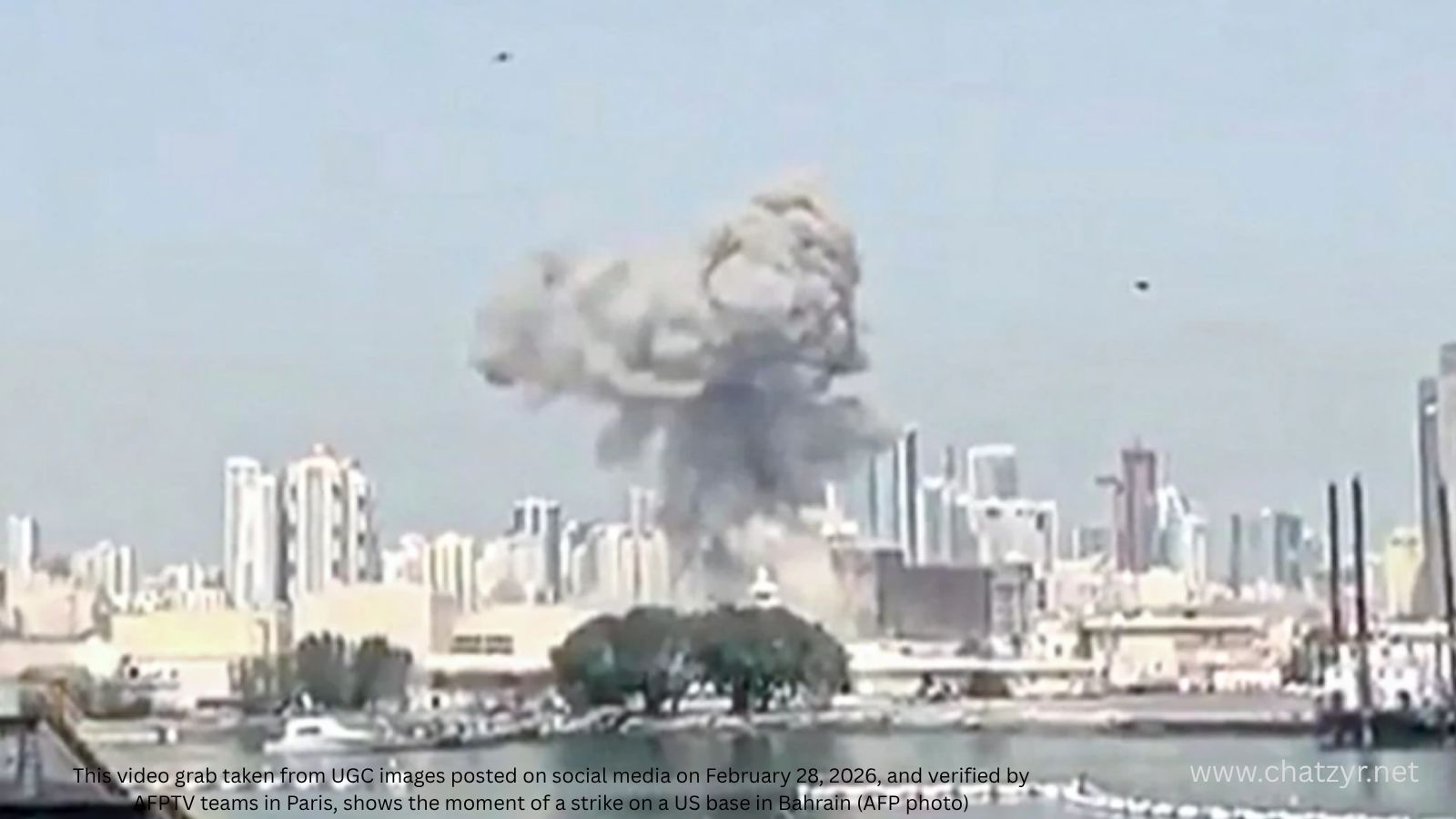
Iran launched missile and drone attacks against US military installations across the Gulf on Wednesday, triggering fresh fears of a wider Middle East conflict and pushing oil prices higher as tensions around the Strait of Hormuz intensified.
The latest escalation marks the most serious direct confrontation between Iranian and US forces since the ceasefire announced in April, raising concerns that months of diplomatic efforts could quickly unravel.
The Iranian Revolutionary Guards said the operation targeted a US base in Jordan as well as multiple American-linked facilities across the Gulf region. Tehran described the strikes as retaliation for recent US military action against Iranian positions near the Strait of Hormuz following the reported downing of an American Apache helicopter.
According to US officials, American forces carried out precision strikes against Iranian air defence systems, surveillance facilities, radar installations and command infrastructure during a multi-hour operation near the strategic waterway. US President Donald Trump defended the military action, saying Washington was responding decisively to attacks on American personnel and assets.
The latest exchange represents one of the most serious escalations since Washington and Tehran agreed to a ceasefire earlier this year. That fragile truce had already come under strain after renewed clashes involving regional actors over the weekend.
Iran claimed its missiles struck key US military facilities in Jordan, including installations linked to advanced fighter operations. Authorities in Jordan, Bahrain and Kuwait reported intercepting incoming missiles and drones, with no immediate reports of major casualties or significant infrastructure damage.
Diplomatic Hopes Under Pressure
The military escalation comes despite repeated indications from Washington that negotiations to end the conflict were nearing a breakthrough.
Hours before the latest strikes, Trump suggested talks were entering their final phase and indicated meaningful progress could emerge within days. However, the reported downing of the Apache helicopter and the subsequent US military response have significantly complicated those diplomatic efforts.
Iranian Foreign Minister Abbas Araghchi warned that Tehran would leave no attack unanswered, signalling that the Islamic Republic remains prepared for further military responses if hostilities continue.
The ceasefire between the two sides had already faced a major test in recent days, as renewed regional violence threatened to derail efforts aimed at reducing tensions across the Middle East.
Oil Prices Rise as Hormuz Risks Grow
The latest developments sent a warning signal through global energy markets.
Oil prices climbed approximately one per cent in early Asian trading as investors weighed the possibility of further instability around the Strait of Hormuz, one of the world's most important energy corridors.
The narrow waterway handles a significant share of global oil and liquefied natural gas exports, making any disruption a major concern for international markets.
Analysts warned that any prolonged instability around the strait could affect global energy supplies, as roughly one-fifth of the world's oil trade passes through the route. Investors are closely monitoring whether military escalation could lead to shipping restrictions, attacks on infrastructure or broader disruptions to maritime traffic.
Iran has also urged foreign military forces operating near the strait to leave the area, arguing that their presence increases the risk of wider confrontation and unintended escalation.
Regional Conflict Expands Beyond Iran and the US
The broader Middle East crisis continues to spread beyond the direct confrontation between Tehran and Washington.
Violence has persisted in Lebanon despite previous ceasefire announcements. Fresh Israeli military operations and evacuation orders in southern Lebanese cities triggered another wave of civilian displacement on Tuesday.
Lebanese officials reported casualties following strikes in the coastal city of Tyre, while residents fled north after military warnings. The renewed violence has heightened concerns that multiple fronts across the region could become active simultaneously, further complicating diplomatic efforts.
Security analysts warn that continued escalation across several theatres could make a negotiated settlement increasingly difficult and increase pressure on regional governments already dealing with economic and security challenges.
Meanwhile, the United States confirmed that the Apache helicopter brought down near the Strait of Hormuz was the second crewed American aircraft lost during the conflict. US Central Command said both crew members were successfully rescued after the helicopter went down near the coast of Oman.
Why It Matters Now
The conflict is no longer limited to isolated military exchanges. Direct attacks involving Iran, US forces and multiple Gulf states have increased the risk of a broader regional war, while uncertainty surrounding the Strait of Hormuz threatens global energy supplies and market stability. The coming days will be critical in determining whether diplomacy can regain momentum or whether the Middle East moves toward a deeper and more dangerous confrontation.
Published on ChatZyr.net
Written By Editorial Desk | Team Chatzyr
Disclaimer: This report is based on information obtained from credible and publicly available sources at the time of publication. Details may evolve as further official confirmations and investigations emerge.