international
Mali and Burkina Faso Impose Travel Restrictions on US Nationals in Tit-for-Tat Response to US Travel Ban
#USTravelBan#MaliBurkinaFaso#GlobalDiplomacy
9mo ago • Dec 31, 2025, 09:39 AM • Updated 2mo ago
2 min read
Mali and Burkina Faso Impose Travel Restrictions on US Citizens in Retaliation to Trump Travel Ban
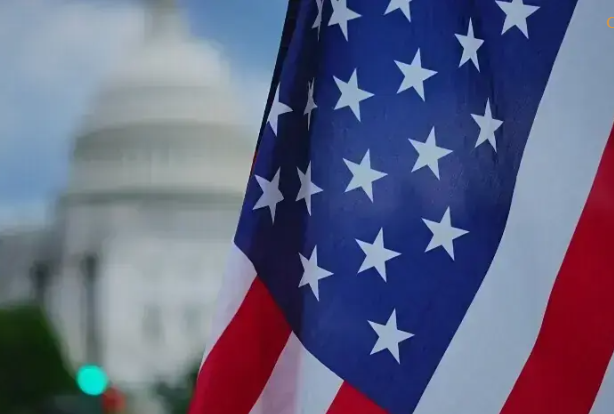
Mali and Burkina Faso have announced travel and visa restrictions on American nationals, responding to the recent US travel ban expansion imposed by President Donald Trump. The move is widely seen as a tit-for-tat response after both West African nations were placed on a US no-entry list based on nationality.
In separate statements issued by their foreign ministries and reviewed on Wednesday, both countries confirmed they would apply “equivalent measures” against US citizens. The decision follows Washington’s expansion of travel restrictions to nearly 40 countries, including African, Middle Eastern, and conflict-affected states.
The US travel ban list includes Syrian nationals, Palestinian Authority passport holders, and citizens from some of Africa’s poorest nations, such as Niger, Sierra Leone, South Sudan, Mali, and Burkina Faso. The White House justified the ban by claiming it targets foreigners who may “intend to threaten” American security.
Burkina Faso’s foreign ministry stated that it would enforce reciprocal visa policies for US passport holders. Mali announced that it would, with immediate effect, apply the same entry conditions and requirements on Americans that Malian citizens currently face when seeking entry into the United States.
Mali’s government also expressed strong regret, criticizing Washington for making such a significant policy decision without prior consultation.
Both Mali and Burkina Faso are currently governed by military-led administrations and are members of a regional confederation of Sahel states, which also includes Niger. While Niger has not formally announced countermeasures, its national news agency reported—citing diplomatic sources—that retaliatory steps have already been approved.
In his December 17 announcement, President Trump also introduced partial travel restrictions on citizens of other African nations, including Nigeria, Africa’s most populous country, as well as Ivory Coast and Senegal. Notably, Senegal and Ivory Coast are among the countries that have qualified for the 2026 FIFA World Cup, set to be hosted by the United States, Canada, and Mexico.
The growing diplomatic fallout highlights rising tensions over immigration policy, national sovereignty, and international travel restrictions, particularly between the United States and African nations affected by the ban.