Our Law Is Not Blind - By Abid Rasheed
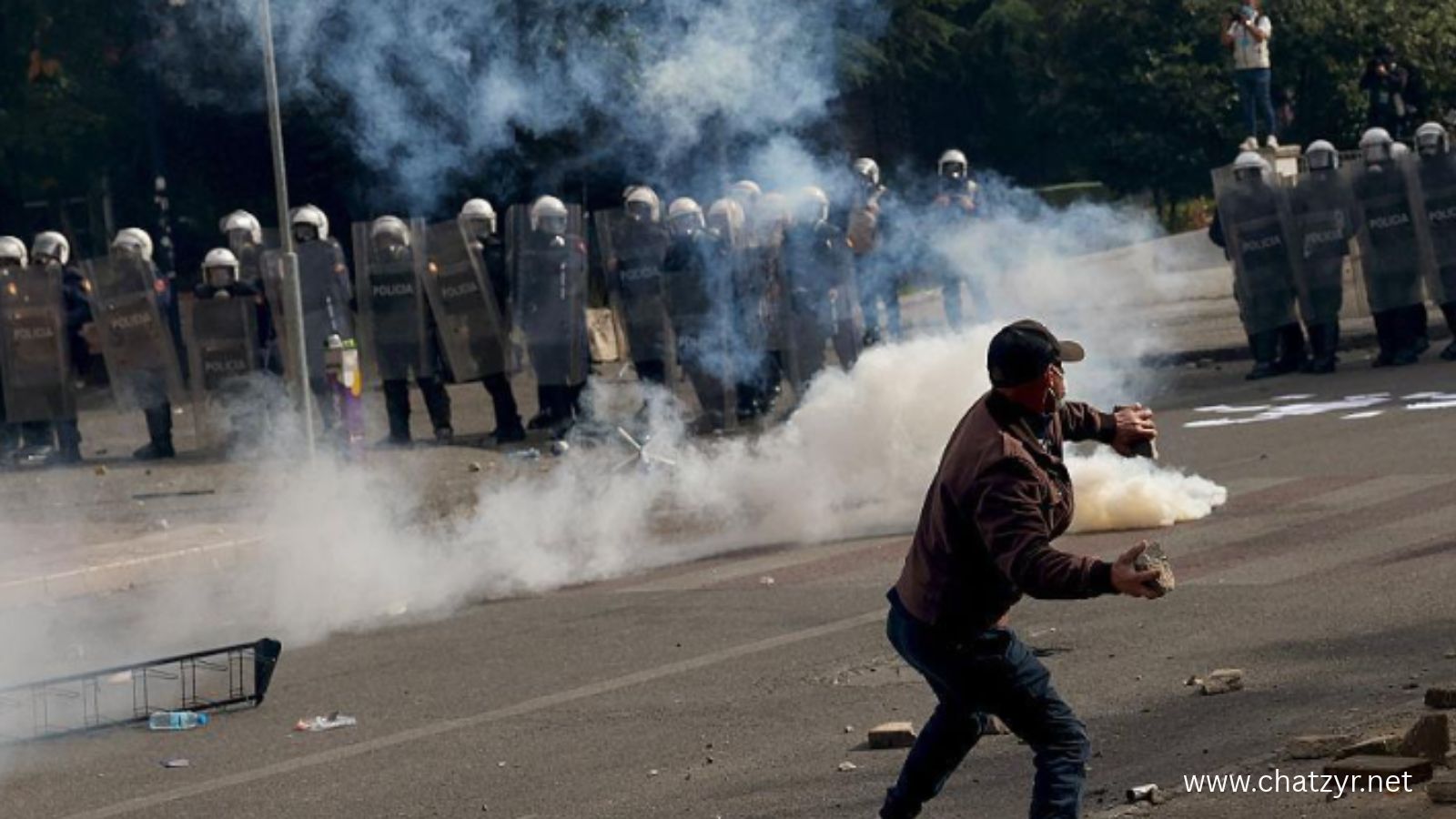
Many of us have heard that famous line from an Indian film song: “This law is blind.” The singer made it sound as if the law itself were guilty of injustice. But our law is not blind. It sees everything—sharp, calculating, and practical. It examines the ordinary citizen under a microscope while the powerful are observed through fogged glass.
This thought struck me when I read a recent report about PTCL.
In Pakistan, the law is not really a part of the Constitution—it is a mood. Whoever holds power receives a soft cushion; the weak are left with a chair full of thorns.
The PTCL matter is not a scandal. It is merely another episode of a long-running state-written series, scripted back in the Musharraf era. Every episode features either glittering dollars or dusty files.
Recently, a Senate committee questioned the payments made for attending PTCL board meetings. The answer? Dollars. It emerged that the Federal Minister for Economic Affairs, Ahad Cheema, along with three serving federal secretaries, were paid in dollars for attending these meetings. Apparently, this is a “global standard.” Poverty, it seems, is local—but perks are imported.
So what if decisions are made in rupees while benefits are taken in dollars?
So what if citizens pay taxes in local currency while the elite earn in international rates?
So what if $8,000 could fulfill a common citizen’s dreams for an entire year?
Here, the public sees dreams; the elite enjoy reality.
Public interest rarely matters in this system. Only “agenda item number three” is pursued. Everything else dissolves over tea and laughter.
When the Prime Minister orders that excess money be returned, the committee asks, “Did the Prime Minister really issue this order?” Silence follows. This silence is the language of power. Orders are advice for the powerful, notices for the weak.
If a single watch appears in Toshakhana, the system erupts—press conferences, court proceedings, breaking news. But when dollars flow through PTCL, the system sleeps. A deep, peaceful sleep.
This is our genius: one law, multiple applications.
Privatization itself is already a tragedy—assets gone, control gone, benefits gone. Only speeches remain. The public is left with bills: electricity, gas, water, mobile—and finally, patience.
News breaks. Investigations are announced. Committees are formed. Reports are prepared. Accountability, however, never arrives.
The real problem is not PTCL. It is the class for whom the law is merely a file—opened at will, closed at will, suppressed at will.
The law is not blind. It recognizes faces and ranks, deciding whom to watch and whom to ignore.
“The law is equal for all” looks beautiful in the Constitution and on courtroom walls. In practice, it is a poster: signed but never enforced.
Remember this: a state does not collapse under law—it collapses under double standards.
When the law becomes a carpet for the powerful and thorns for the public, resentment grows, silent anger spreads, and events unfold that no file or committee can record. Then only one question remains:
Is this law blind?
Published on Chatzyr.net
Written By Abid Rasheed