Pakistan-Russia Urged to Accelerate Trade, Energy and Education Ties Amid Global Geopolitical Shift | ChatZyr
By Editorial Desk | Team ChatZyr
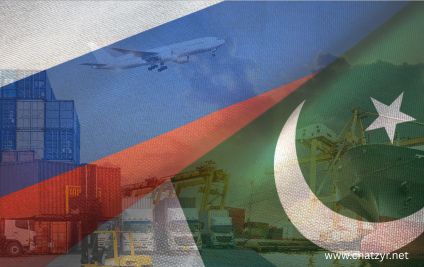
Experts have called for Pakistan and Russia to accelerate cooperation in trade, energy and education, arguing that shifting global geopolitics presents a rare opportunity to build a stronger long-term economic partnership between the two countries.
The recommendations emerged during a high-level policy webinar titled "Pakistan-Russia: Strengthening Trade, Energy & Education Collaboration," jointly organised on July 9, 2026, by the Institute of Regional Studies (IRS), Islamabad, and the University of World Civilizations, Moscow. The event brought together diplomats, academics, business leaders and policy experts to discuss practical strategies for transforming improving political relations into meaningful economic cooperation.
Participants said growing geopolitical competition, global supply chain disruptions and the increasing importance of Eurasian connectivity have created favourable conditions for Pakistan and Russia to expand collaboration. They stressed, however, that success will depend on moving beyond symbolic agreements toward commercially viable projects and stronger institutional coordination.
A key recommendation was the establishment of sector-specific working groups under a Pakistan-Russia Intergovernmental Commission to oversee cooperation in trade, energy, transport, education, agriculture, digital technology and finance. Experts also proposed a long-term Comprehensive Economic Roadmap to guide investment, industrial collaboration, technology transfer and regional connectivity over the next decade.
To strengthen bilateral trade, participants recommended exploring local currency settlements, dedicated payment channels, structured barter trade mechanisms and reforms to customs, certification, documentation and dispute-resolution systems to encourage greater private-sector investment.
Connectivity emerged as another major priority, with experts supporting the development of a Pakistan-Russia Trade Corridor through Central Asia, expanded railway links, modern logistics infrastructure and the strategic use of Gwadar and Karachi ports as gateways connecting Russia and Central Asia with international markets.
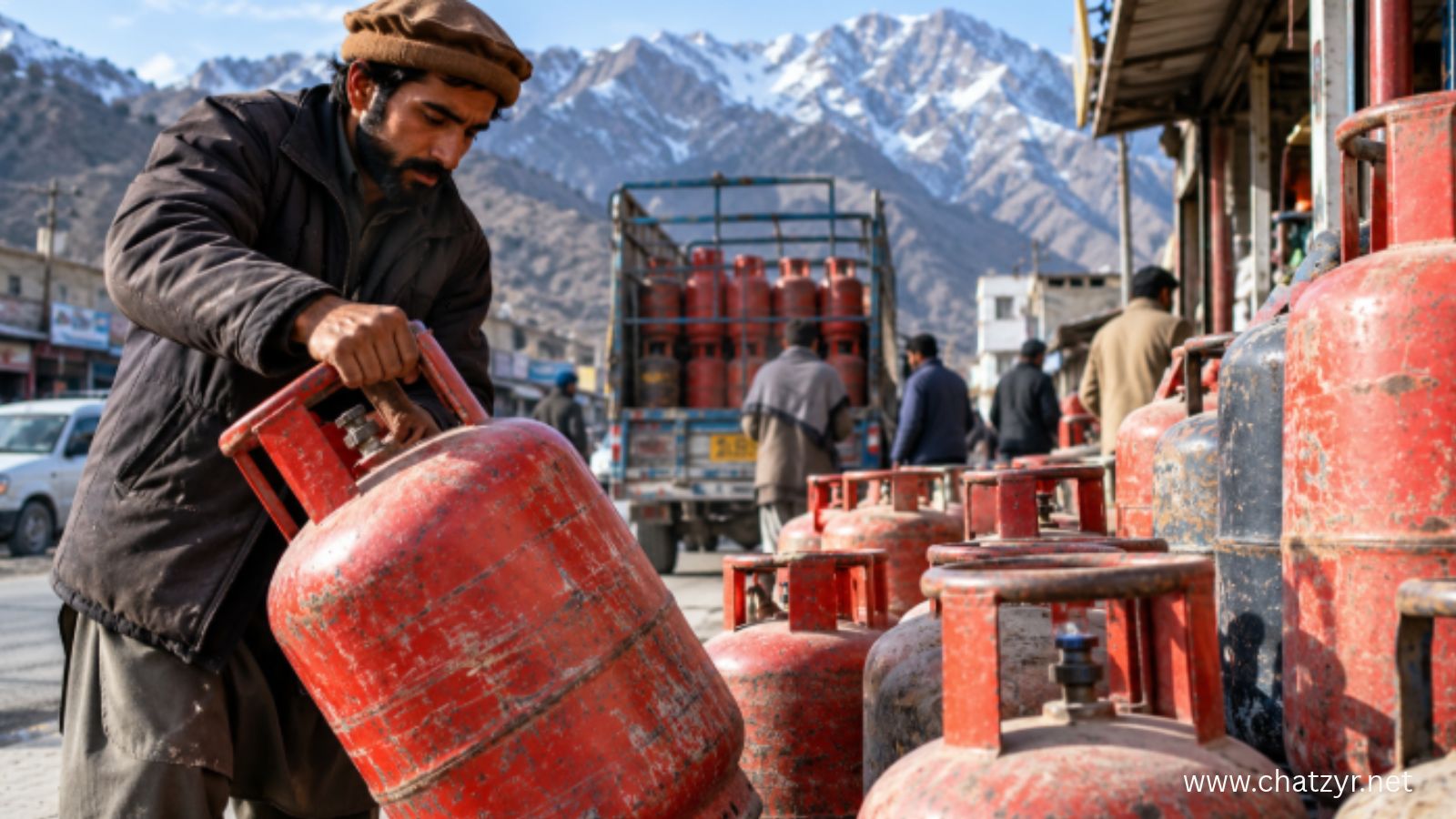
The webinar also highlighted opportunities to deepen cooperation in LNG, oil refining, electricity infrastructure, renewable energy and engineering services. Participants further recommended expanding collaboration in agriculture, food security, mining, railway engineering, steel manufacturing and agro-processing through joint ventures and technology partnerships.
Recognising the importance of long-term engagement, experts called for increased scholarships, student exchanges, joint research initiatives, Russian-language training, university partnerships, think-tank cooperation and cultural exchanges to strengthen people-to-people ties.
The discussion also encouraged Pakistan to use its upcoming 2027 Shanghai Cooperation Organisation (SCO) Business Council chairmanship to promote practical initiatives focused on trade facilitation, digital documentation, food security, investment and regional connectivity across Eurasia.
Participants agreed that sustained institutional coordination, commercially viable projects and consistent policy implementation will determine whether Pakistan and Russia can transform growing diplomatic goodwill into a durable economic and strategic partnership capable of supporting regional stability, energy security and long-term economic growth.
Why it matters: As global geopolitical alliances continue to evolve, stronger Pakistan-Russia cooperation could diversify Pakistan's export markets, improve energy security, enhance regional connectivity and create new investment opportunities across Eurasia.
Published on ChatZyr.net
Written By Editorial Desk | Team ChatZyr
Disclaimer: This report is based on information obtained from credible and publicly available sources at the time of publication. The views and recommendations presented during the webinar reflect those of the participants and do not necessarily represent official government policy.