Police Baton-Charge Student Protesters as Thousands March Toward Indian Parliament | ChatZyr
By Editorial Desk | Team ChatZyr
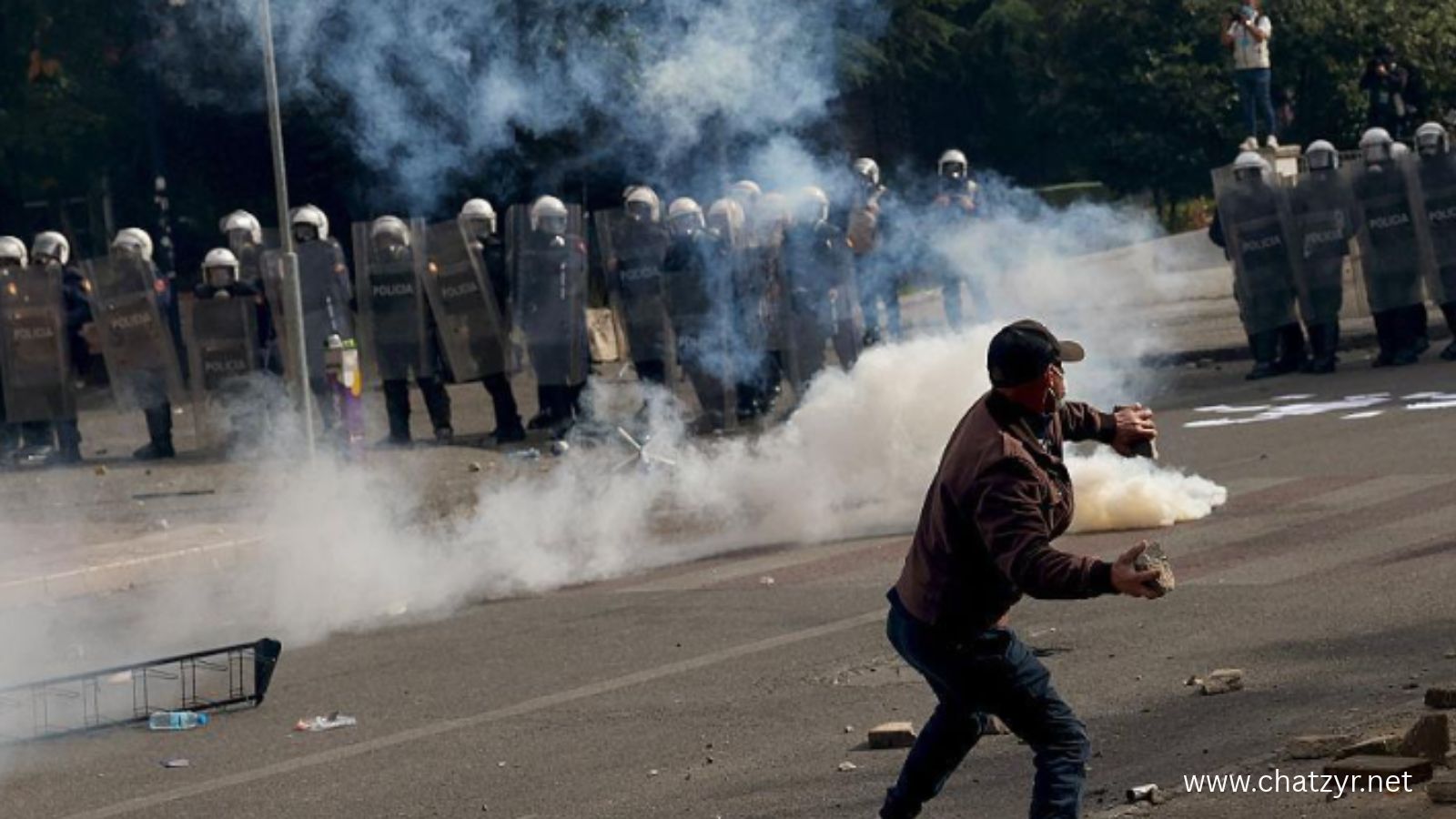
Police used batons to disperse student protesters on Monday after thousands gathered in New Delhi to march toward India's Parliament despite authorities denying permission for the demonstration.
The protest coincided with the opening day of Parliament's monsoon session and is being viewed as one of the most significant public demonstrations challenging Prime Minister Narendra Modi's government during its third term.
Thousands of demonstrators assembled overnight at Jantar Mantar, demanding accountability over repeated examination paper leaks and alleged corruption in India's education system. According to Delhi Police, around 10,000 protesters had gathered, prompting a heavy deployment of police and paramilitary personnel around Parliament.
Television footage showed police using batons against some demonstrators behind barricades. Delhi Police, however, denied using excessive force and said the protest was being handled "professionally."
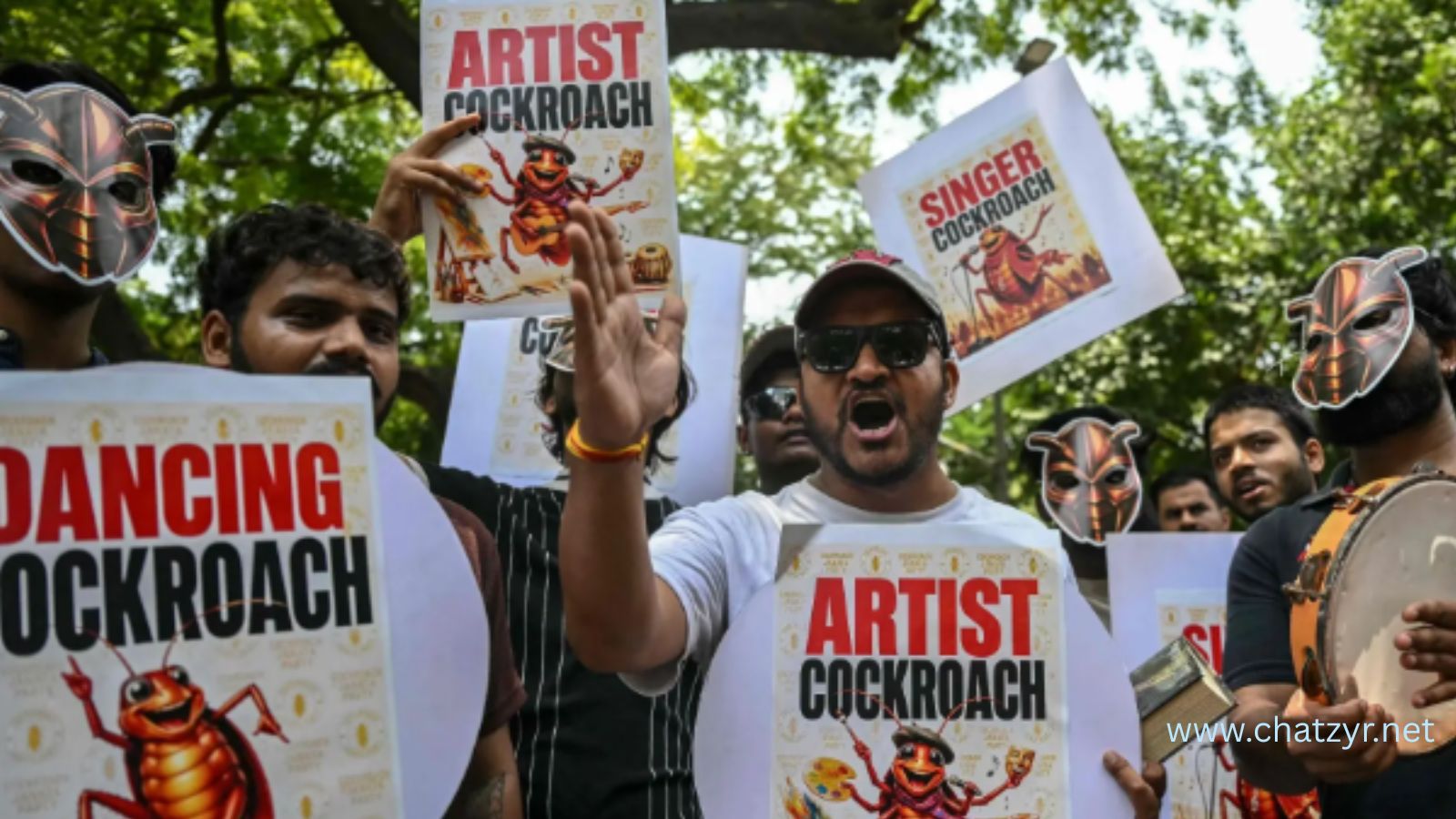
The protest movement, identified by Reuters as the Cockroach Janta Party (CJP), gained renewed momentum after activist Sonam Wangchuk, who has been on an indefinite hunger strike since late June, was moved to a hospital by authorities on Saturday.
In a handwritten note shared from the hospital, Wangchuk said he would end his hunger strike if the government accepted responsibility for failures in the education system and examination paper leaks, or if lawmakers formally committed to addressing the protesters' demands.
The movement emerged after the alleged leak of India's national medical entrance examination papers in May, affecting more than two million students and forcing many candidates to retake the test. Protesters say they are demanding greater transparency, accountability, and an end to corruption in competitive examinations.
According to official government data, India's unemployment rate in 2025 stood at 3.1% for people aged 15 and above. However, unemployment among those aged 15 to 29 was 9.9%, rising to 13.6% in urban areas.
The Indian government had not issued an immediate response to the protesters' latest demands at the time of publication.
Why it matters: The demonstrations reflect growing frustration among India's youth over education, unemployment, and transparency in public institutions, making the movement one of the country's most closely watched youth-led campaigns in recent years.
Published on ChatZyr.net
Written By Editorial Desk | Team ChatZyr
Disclaimer: This report is based on information obtained from credible and publicly available sources at the time of publication. Statements from protesters, political groups, and authorities reflect their respective positions. Details may change as official information becomes available.