Sudan Hunger Crisis: 19.5 Million Face Food Insecurity as Famine Risk Rises | ChatZyr
By Editorial Desk | Team ChatZyr
19.5 Million People Face Hunger as International Pressure Grows
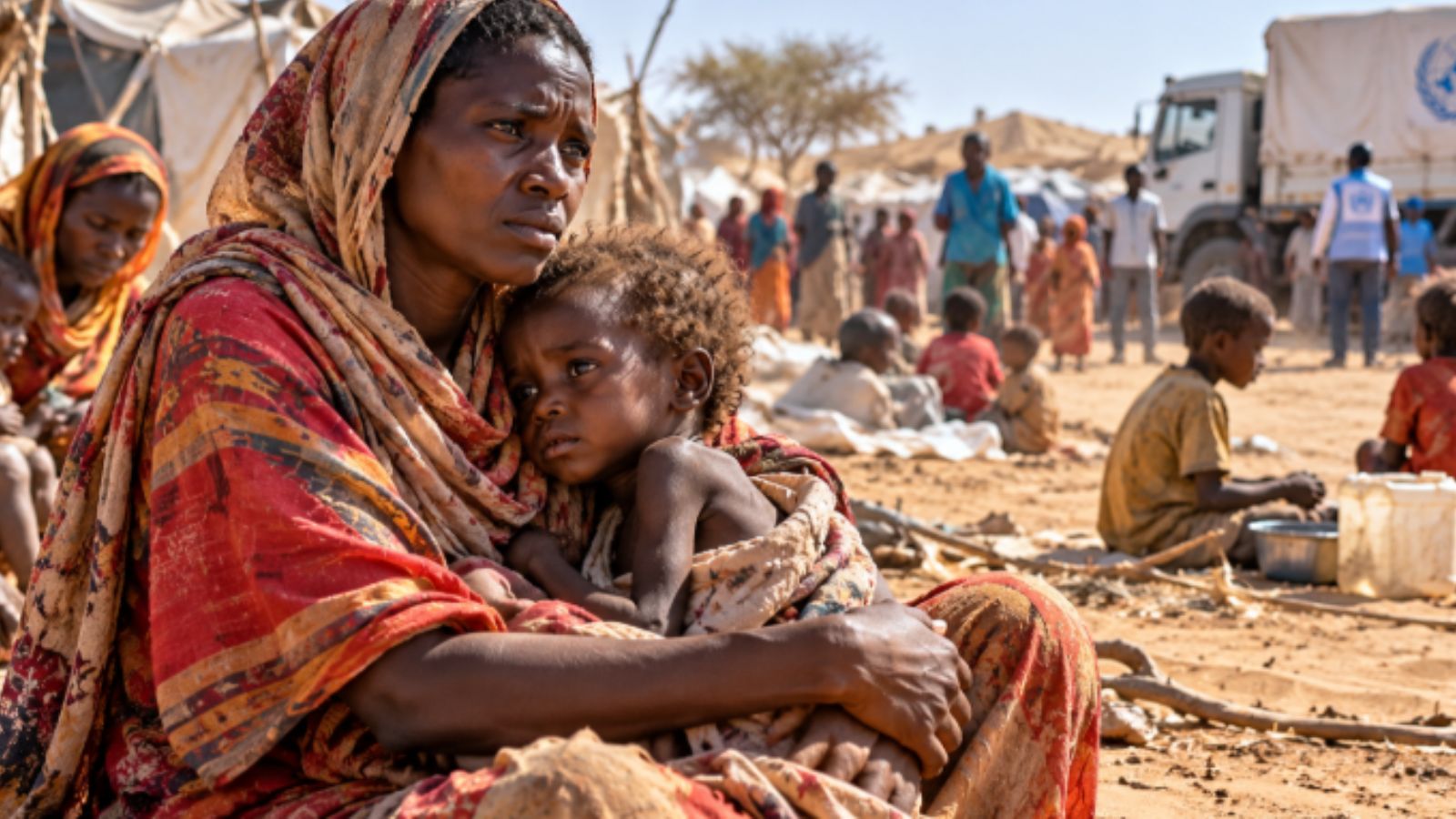
Sudan’s worsening hunger crisis has prompted renewed international calls for urgent humanitarian assistance, with 19.5 million people experiencing high levels of acute food insecurity and millions facing increasingly difficult access to food and essential services.
On October 27, 2026, Reuters reported that the United States, major European powers and other countries were urging the parties fighting in Sudan to remove barriers to humanitarian aid and take immediate action to prevent famine. The appeal followed a joint statement issued by the United Kingdom and 31 international partners on October 23.
The warning comes as conflict, drought and disruption to agriculture continue to undermine food supplies. International partners have called for expanded aid operations, stronger protection for humanitarian workers and additional funding to reach vulnerable communities.
Millions Face Emergency Levels of Food Insecurity
According to the October 23 joint statement, approximately 41% of Sudan’s population is experiencing high levels of acute food insecurity. Around five million people are facing emergency levels of food insecurity.
The statement also warned that the number of children suffering from severe acute malnutrition could exceed a projected 825,000 without immediate intervention. The number of food-insecure areas, initially assessed at 14, is expected to double if conditions deteriorate.
These figures underline the scale of the emergency, particularly for families who have lost homes, livelihoods or access to functioning markets.
Famine risk must not be confused with a nationwide famine declaration. The current warnings describe the danger of conditions worsening in the coming months and stress that urgent action is needed to prevent further deterioration.
War and Drought Are Deepening the Crisis
Sudan’s conflict began in April 2023, when fighting broke out between the Sudanese Armed Forces and the paramilitary Rapid Support Forces. The war has displaced more than 14 million people, according to recent international reporting, and damaged infrastructure needed to sustain communities.
Fighting has disrupted farming, supply chains, healthcare and local markets. Farmers face difficulties planting and harvesting crops, while displacement leaves many families dependent on assistance or limited local resources.
Weather conditions have added another challenge. The October 23 international statement cited reduced rainfall and increased drought associated with El Niño, affecting more than half of Sudan. The combined pressure of conflict and poor growing conditions threatens food availability at a time when humanitarian needs are already severe.
International Partners Demand Unrestricted Aid Access
The countries supporting the appeal have called on the warring parties to permit full, safe and rapid humanitarian access. They want relief operations authorised across front lines and international borders, including air access into Darfur.
They have also urged the parties to protect humanitarian personnel, avoid attacks on civilian infrastructure and reduce administrative obstacles that delay the delivery of assistance.
These demands matter because food and medical supplies cannot reach vulnerable communities if aid workers are unable to travel safely or relief shipments are held up by restrictions.
The international partners have also called for increased humanitarian funding and support for the winter cropping season, alongside stronger locally led responses.
Why the Sudan Crisis Matters to the World
Sudan’s emergency highlights the devastating relationship between armed conflict, food insecurity and displacement. When agricultural production is interrupted and markets become difficult to access, the consequences extend beyond immediate shortages, affecting nutrition, health and the ability of families to rebuild their lives.
The crisis also places pressure on neighbouring countries hosting displaced people and on humanitarian organisations attempting to respond with limited resources.
The immediate priority is to prevent conditions from deteriorating further. That requires safe aid access, sufficient funding, protection for civilians and humanitarian workers, and practical steps to restore food production and essential services.
What Happens Next?
The coming months will be critical in determining whether the risk of famine can be contained. International warnings have made the urgency clear, but their impact will depend on whether the parties allow aid to reach affected communities and whether donors provide the resources required.
For millions of Sudanese people, the issue is immediate: access to sufficient food, clean water, healthcare and safe shelter. Preventing a deeper catastrophe will require sustained international attention and action on the ground.
Disclaimer: This report is published in good faith based on initial and verified sources available at the time. Chatzyr.net does not assume liability for unintentional errors or evolving developments. Updates or corrections will be made as more verified information becomes available.
Written By Editorial Desk | Team ChatZyr
Published on Chatzyr.net
ChatZyr — News That Matters.