Sudan's Drone Strikes Deepen Humanitarian Crisis as Aid Workers Warn: "The Situation Is Terrible"
By Editorial Desk | Team ChatZyr
KHARTOUM | July 5, 2026 – More than three years after conflict erupted in Sudan, aid workers say civilians are facing worsening conditions as renewed drone strikes intensify fighting, damage critical infrastructure, and further restrict access to lifesaving humanitarian assistance.
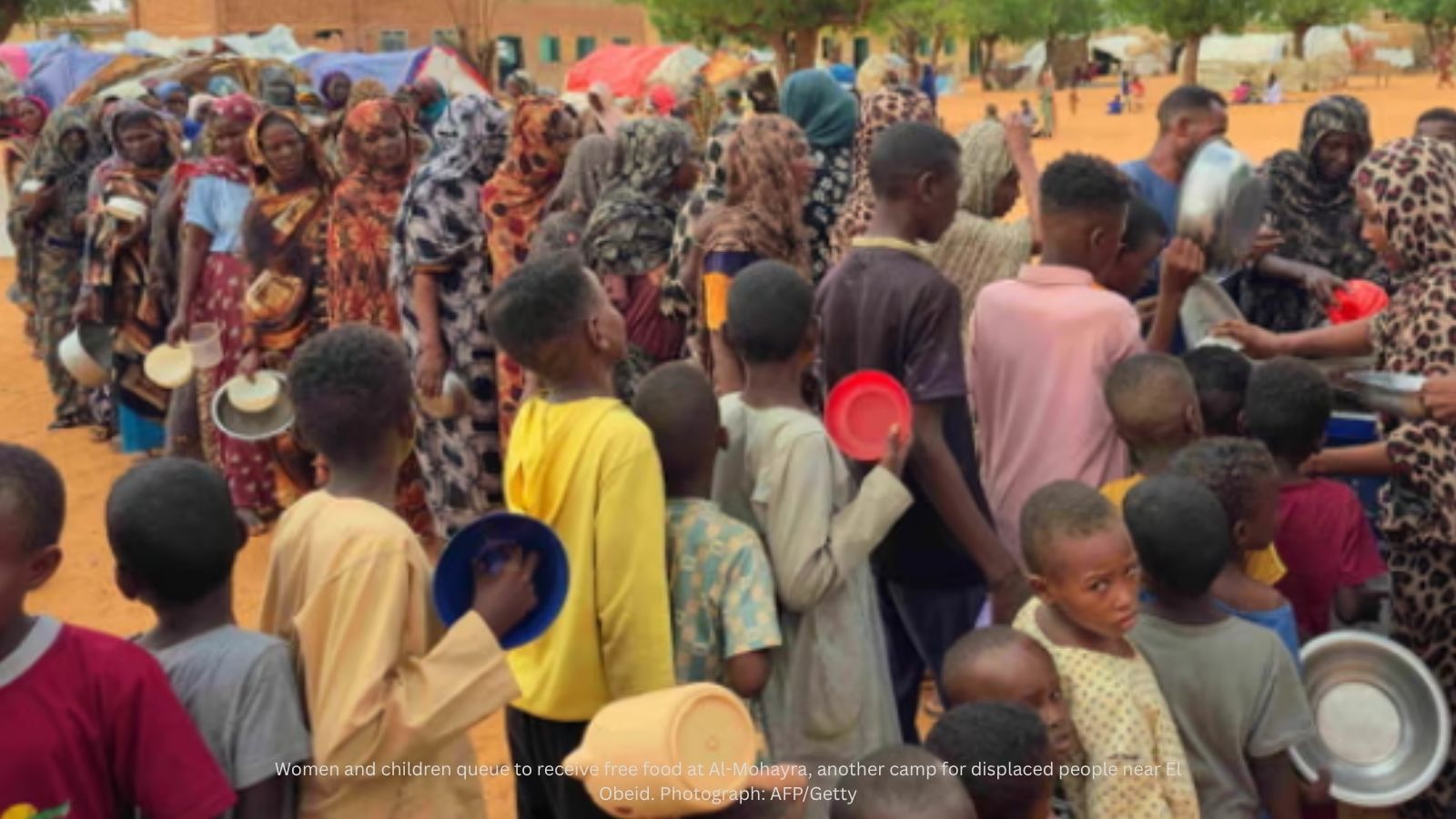
Describing the growing crisis, one humanitarian worker said, "The situation is terrible," capturing the reality confronting millions of Sudanese families living amid continued violence, displacement, and severe shortages of food, medicine, and clean water.
The latest attacks come as fighting between the Sudanese Armed Forces (SAF) and the Rapid Support Forces (RSF) shows little sign of easing, leaving civilians trapped in increasingly dangerous urban areas.
Civilians Struggle to Survive
Residents in conflict-affected cities report living under the constant threat of drone strikes and shelling, forcing many families to remain indoors or flee in search of safety.
Hospitals continue to operate under immense pressure as medical supplies dwindle, electricity remains unreliable, and access to clean drinking water becomes increasingly limited. Humanitarian organizations warn that repeated attacks on infrastructure are making it even harder to deliver emergency assistance to communities already facing extreme hardship.
Children, older people, and displaced families remain among those most at risk as living conditions continue to deteriorate.
Aid Operations Under Growing Pressure
Relief agencies say worsening insecurity is severely disrupting humanitarian operations across Sudan.
Damaged roads, fuel shortages, and continuing hostilities have slowed the movement of food, medicine, and emergency supplies, leaving many isolated communities without consistent humanitarian support.
International aid organizations continue to call for safe humanitarian corridors, unrestricted access for relief workers, and stronger protection for civilians under international humanitarian law.
More Than Three Years of Conflict
Since fighting began in April 2023, Sudan has experienced widespread displacement, economic disruption, and repeated attacks affecting civilian infrastructure. More than three years later, the conflict continues to fuel one of the world's largest humanitarian emergencies, with millions of people relying on humanitarian assistance for survival.
Despite repeated diplomatic efforts, a comprehensive ceasefire has yet to be achieved, while renewed violence continues to complicate relief efforts and deepen the suffering of civilians.
International Concern Continues
Governments, humanitarian organizations, and international agencies have repeatedly urged all parties to protect civilians, facilitate humanitarian access, and pursue a peaceful resolution to the conflict.
Aid workers warn that without improved security conditions and sustained international support, the humanitarian situation could deteriorate even further in the coming months.
Why It Matters
Sudan's prolonged conflict continues to have devastating consequences for civilians, regional stability, and humanitarian operations. As violence persists into its fourth year, the need for unrestricted humanitarian access, civilian protection, and meaningful diplomatic progress has become increasingly urgent.
Published on ChatZyr.net
Written By Editorial Desk | Team ChatZyr
Disclaimer: This report is based on credible publicly available information, humanitarian accounts, and official statements available as of July 5, 2026. The situation remains fluid, and additional verified information may emerge as events continue to develop.