University of Peshawar Professor Wins Prestigious Ashoka Prize 2025 in London | ChatZyr
By Editorial Desk | Team ChatZyr
PESHAWAR
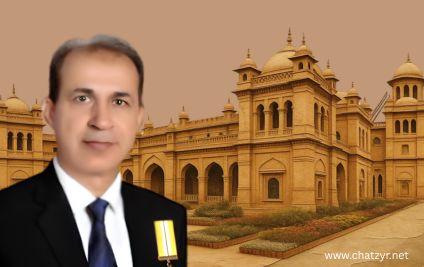
University of Peshawar archaeologist Prof. Gul Rahim Khan has been awarded the prestigious Oriental Numismatic Society (ONS) Ashoka Prize 2025 in London, earning one of the highest international honours in the field of numismatics for his groundbreaking research on medieval Kashmir's coinage.
The annual Ashoka Prize recognises the best original research paper published in the Journal of the Oriental Numismatic Society (JONS) during the year. Prof. Khan received the award for his research paper, "Attribution of Coins to the Queens of the Utpala Dynasty of Medieval Kashmir," published in JONS Issue 260, which offers fresh historical insights into the political influence and authority of female rulers in medieval Kashmir.
The international recognition highlights Pakistan's growing contribution to archaeological scholarship and places the University of Peshawar among institutions producing globally recognised historical research.
Award-winning research reshapes medieval history
Speaking after receiving the honour, Prof. Gul Rahim Khan said ancient coins remain one of history's most reliable sources for understanding past civilisations.
"Numismatics is not merely about studying old coins or rare metals; coins are metallic documents that offer authentic evidence where written chronicles fall silent," he said.
He explained that identifying the coins as belonging to the queens of the Utpala Dynasty helps historians reassess the political authority, governance and societal role of women in medieval Kashmir, challenging long-held assumptions in conventional historical narratives.
The award-winning paper was recognised for its original contribution to South Asian numismatic studies and for providing new evidence that expands understanding of the region's medieval political history.
Three decades of archaeological excellence
Prof. Gul Rahim Khan has devoted more than 30 years to higher education, archaeological research and academic leadership.
He served as a senior professor in the Department of Archaeology at the University of Peshawar, specialising in ancient coinage, Gandharan archaeology and South Asian history.
After completing his doctorate in numismatics, he expanded his research through international academic collaborations, including research associated with the British Museum in London and projects supported by the Smithsonian Institution.
Over the course of his career, Prof. Khan has published extensively on ancient monetary systems, trade routes and the archaeology of Gandhara. His scholarly work continues to serve as an important reference for researchers and historians around the world.
Excavations strengthened Peshawar's historical significance
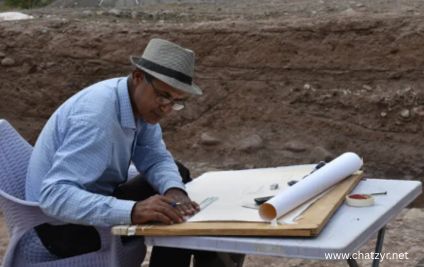
In addition to his academic publications, Prof. Khan has led several important archaeological excavations across Pakistan.
Among his most notable contributions were excavations at the historic Hayatabad site in Peshawar, where researchers uncovered evidence of early urban industrial complexes. The discoveries enhanced historical understanding of Peshawar's role as a major commercial and cultural centre in ancient South Asia.
His research has played an important role in preserving Pakistan's archaeological heritage while strengthening international recognition of the country's historical significance.
Calls for greater investment in archaeological research
Reflecting on Pakistan's archaeological potential, Prof. Khan said the country possesses an extraordinary historical legacy that deserves greater investment and scientific study.
"Pakistan's rich soil holds invaluable chapters of world heritage," he said.
He added that international honours such as the Ashoka Prize demonstrate that Pakistani researchers are producing work that meets the highest global academic standards.
However, he stressed that continued investment in training young archaeologists, strengthening research institutions and adopting modern scientific methodologies will be essential to preserving and interpreting Pakistan's cultural heritage for future generations.
Recognition for Pakistan's academic community
The award has been widely welcomed as a significant achievement for Pakistan's academic and archaeological community.
The Oriental Numismatic Society's Ashoka Prize is regarded as one of the organisation's highest distinctions, recognising exceptional scholarship that advances the study of ancient coinage, economic history and historical civilisations.
Prof. Gul Rahim Khan's achievement not only honours decades of dedicated research but also highlights Pakistan's growing role in global archaeological scholarship and reinforces the country's importance in preserving and interpreting South Asia's rich historical legacy.
Why it matters
The Ashoka Prize is one of the most respected international recognitions in the field of numismatics. Prof. Gul Rahim Khan's achievement underscores the quality of Pakistani academic research, enhances the global reputation of the University of Peshawar and encourages greater investment in archaeology, historical research and cultural heritage preservation.
Published on ChatZyr.net
Written By Editorial Desk | Team ChatZyr
Disclaimer: This report is based on information obtained from credible and publicly available sources at the time of publication. Additional details may emerge through official announcements and academic publications.