Winter Conditions Deepen Economic Pressure as Key Sectors Face Operational Strain
Pakistan’s ongoing cold spell is adding fresh pressure to an already strained economy, with authorities closely monitoring its impact on energy demand, agriculture, manufacturing, and household finances across multiple regions.
According to senior government sources involved in routine economic and weather-linked assessments, prolonged low temperatures are influencing both production activity and consumption patterns, particularly in northern and western parts of the country.
The agriculture sector faces heightened vulnerability as cold nights and frost conditions raise concerns for winter crops. Farmers are reporting increased expenses related to irrigation, fuel usage, and crop protection, which could affect yields and contribute to upward pressure on food prices in the coming weeks.
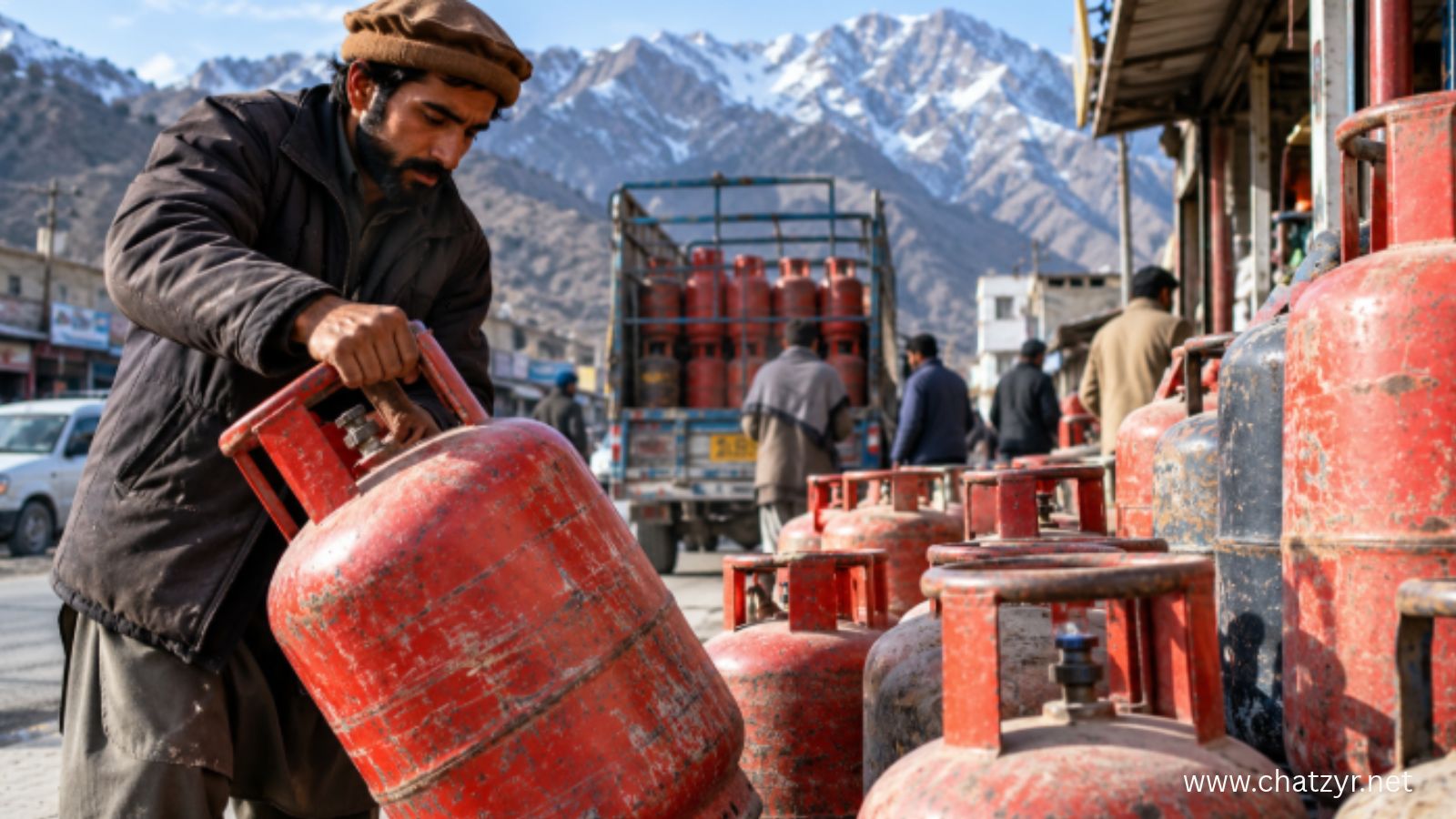
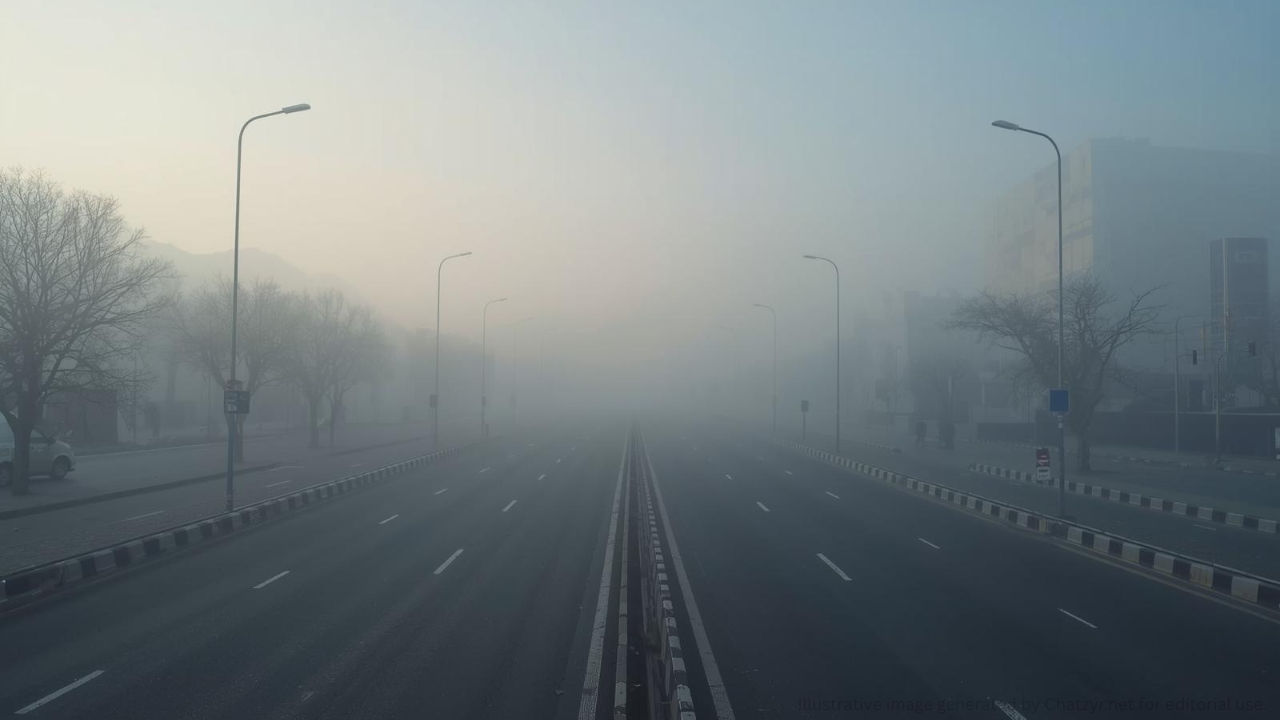
In the manufacturing sector, especially textiles and small- to medium-scale industries, colder weather has led to higher reliance on electricity and gas for operations. Energy cost fluctuations and intermittent supply issues continue to limit productivity, while transport disruptions caused by fog and weather conditions have slowed the movement of raw materials and finished goods.
Households are also experiencing intensified cost-of-living pressure, with increased spending on heating, electricity, and fuel. For lower-income families, winter-related expenses are compounding existing financial stress, particularly in urban centers and colder districts.
Officials say provincial administrations have been advised to remain alert, while energy management measures are being reviewed to reduce disruptions during peak winter demand.
Why it matters now:
Weather-driven economic strain can amplify inflationary pressure, disrupt supply chains, and affect livelihoods, making timely governance oversight critical during peak winter months.
Published on Chatzyr.net
Written By Editorial Desk | Team Chatzyr